

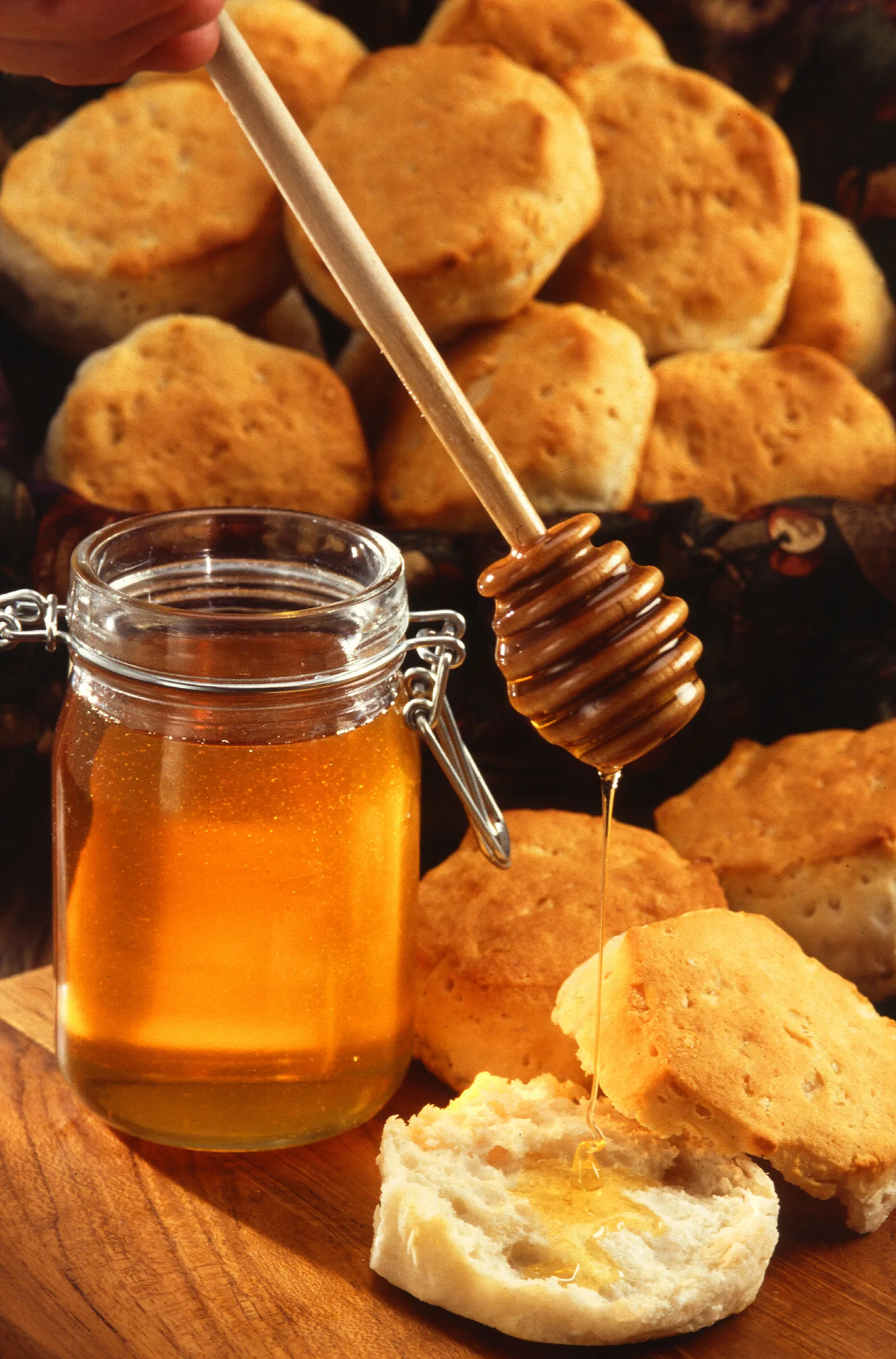
Never blended
Each honey stays a single harvest from a single set of hives.
Free delivery over KSh 3,500Free delivery on orders over KSh 3,500 · Harvested at Malili, delivered countrywide
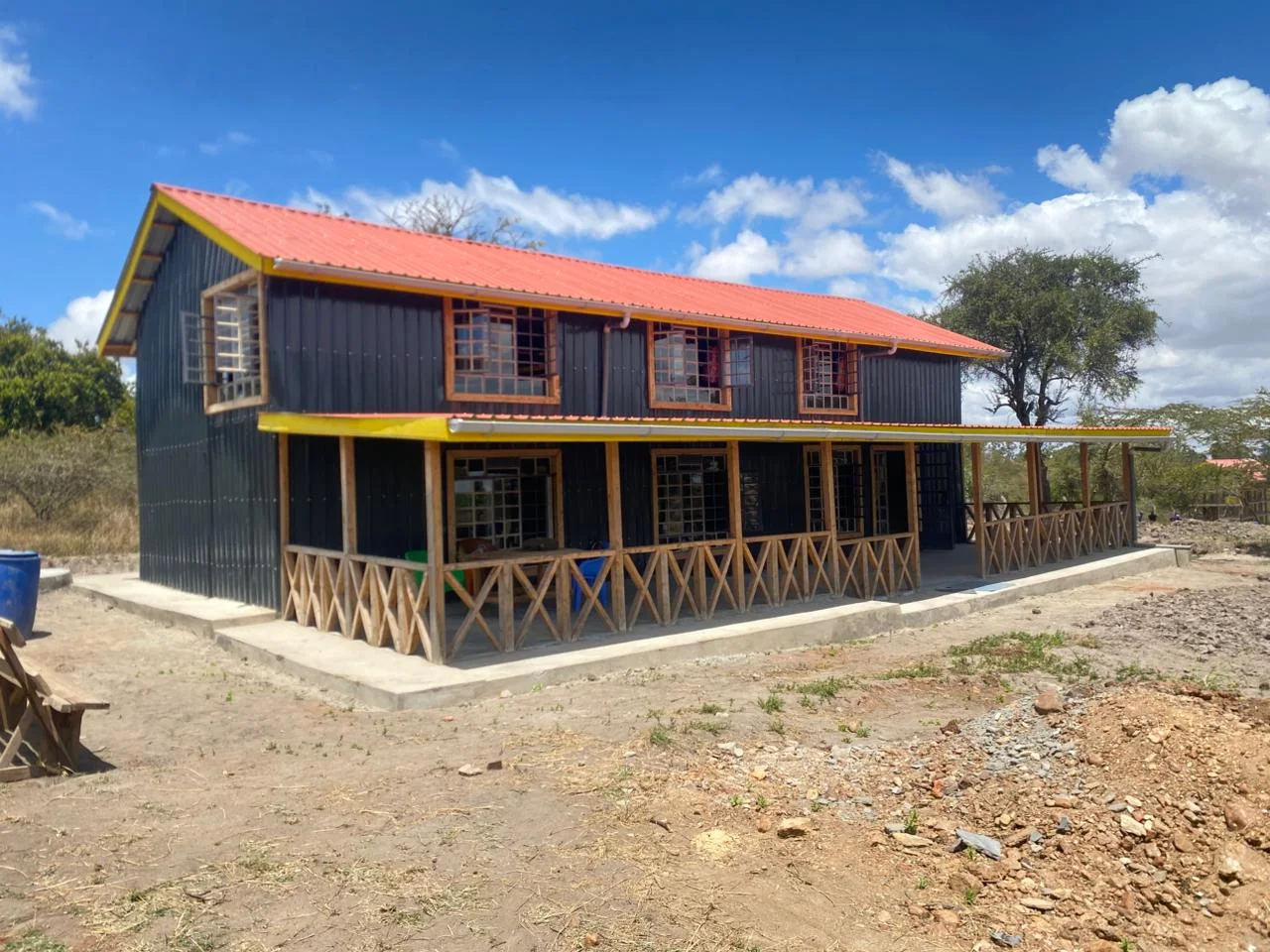
From a handful of hives to more than 200, on the same land at Mwendo wa Musau Integrated Farm, Malili (Konza), Mombasa Road — and the reasons we still do it slowly.
Our mission is narrow on purpose: sell honey exactly as it leaves the hive, and be honest about what that means — including the parts that are less convenient.
Raw honey sets solid. It changes between harvests. It costs more per kilo than a blended, heat-treated jar. We would rather explain all of that than quietly engineer it away.
The honey on most shelves near us was thin, uniformly clear, and tasted the same in January as it did in July. Honey does not do that on its own. Something had been done to it.
So we put a handful of hives on family land at Malili, past Konza on Mombasa Road, and harvested a first small batch to find out what the difference actually was. It was considerable.
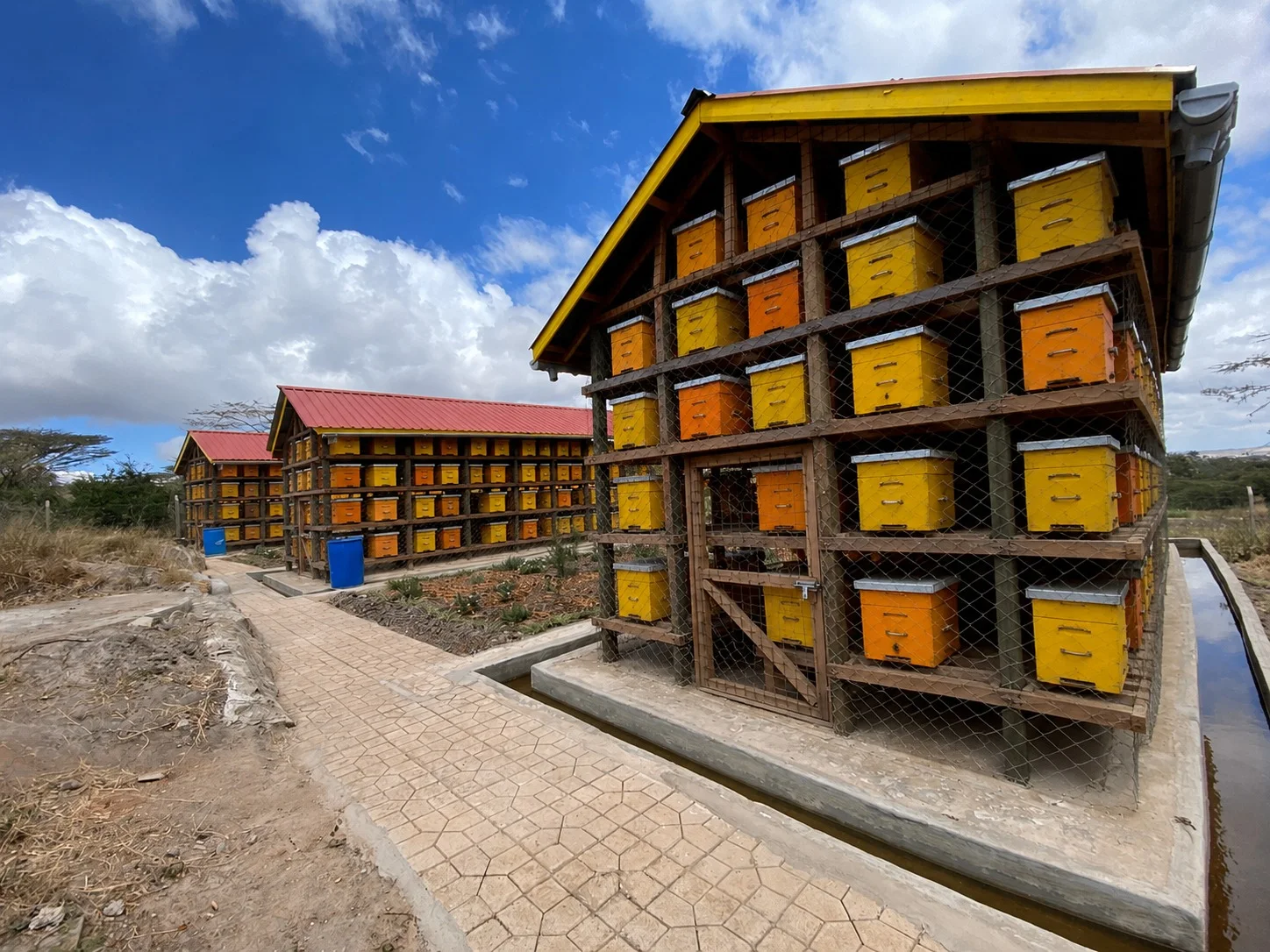
Today more than 200 hives are worked across that same land. The obvious way to grow from there is to harvest more often, extract under heat, and filter hard so the product looks consistent.
We did not do that. We still harvest twice a year, still take only fully capped frames, and still leave every colony enough to carry itself through the dry months. It caps our volume, and some honeys sell out. That is the trade.
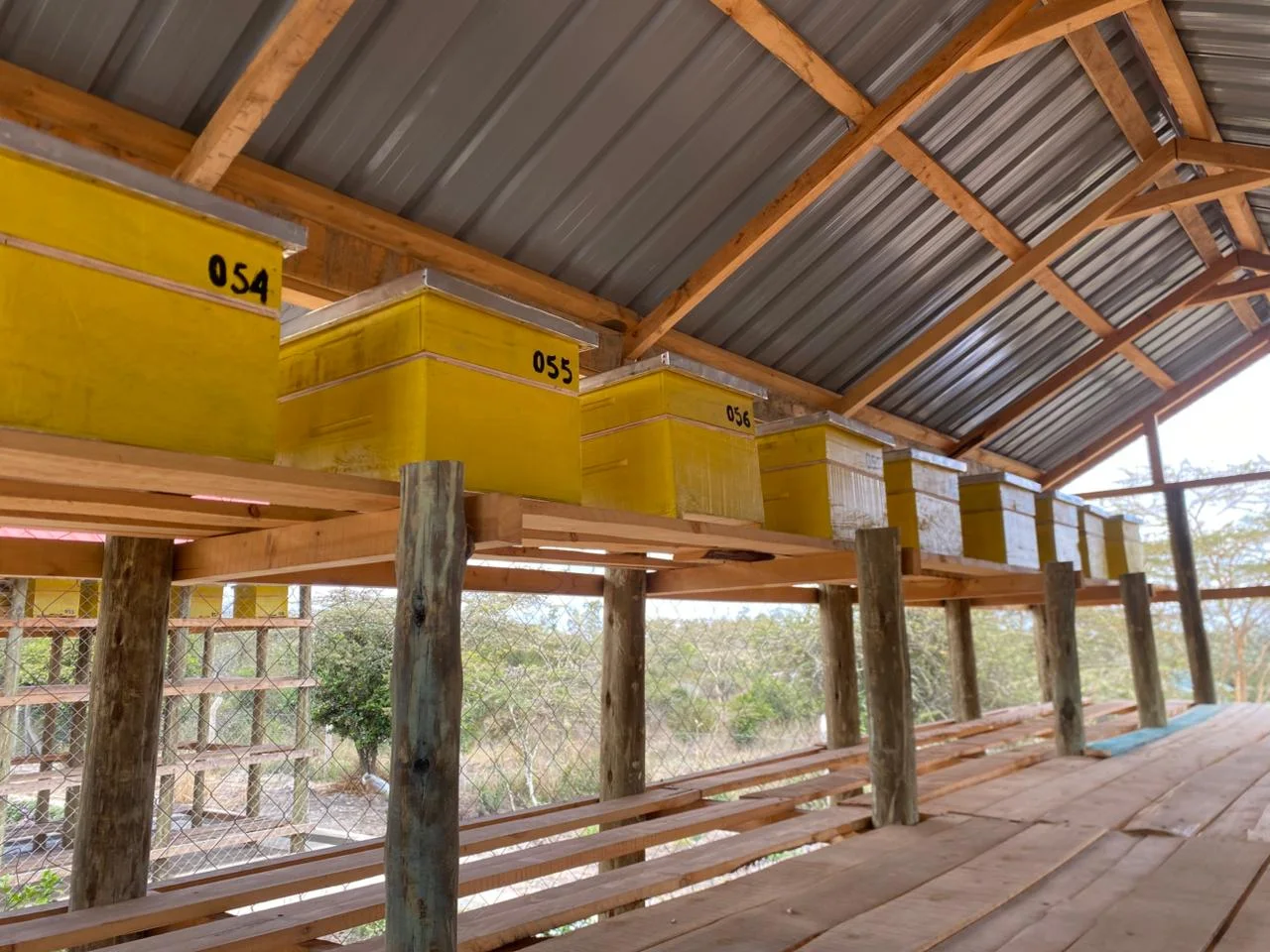
The hives are tended by families living around the apiary. They are paid per kilo, in full, on collection day — no deferred payment, no deductions carried into next season.
It is not charity and we do not present it as such. Beekeepers who are paid properly and on time look after their colonies properly, and that shows up in the jar.
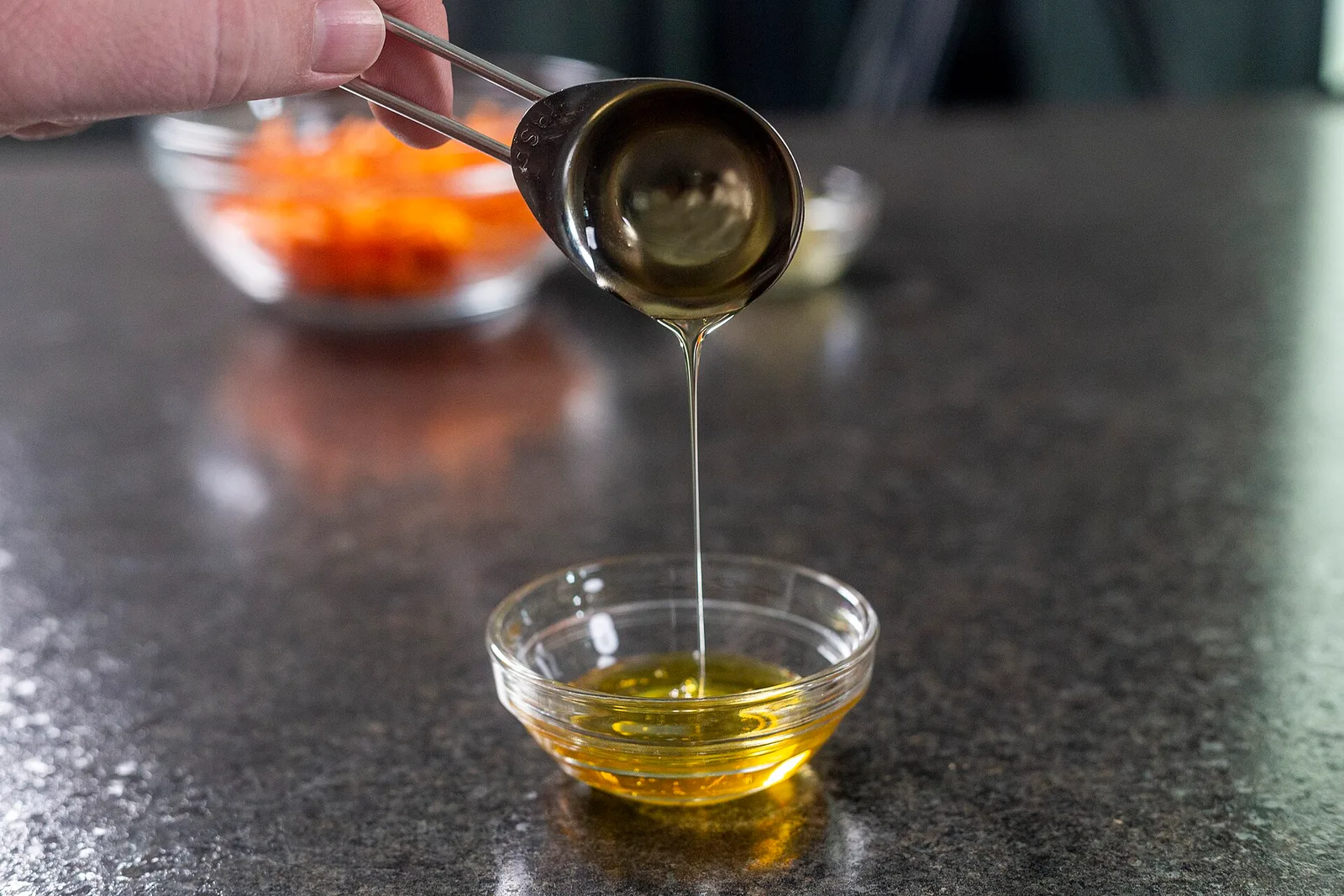
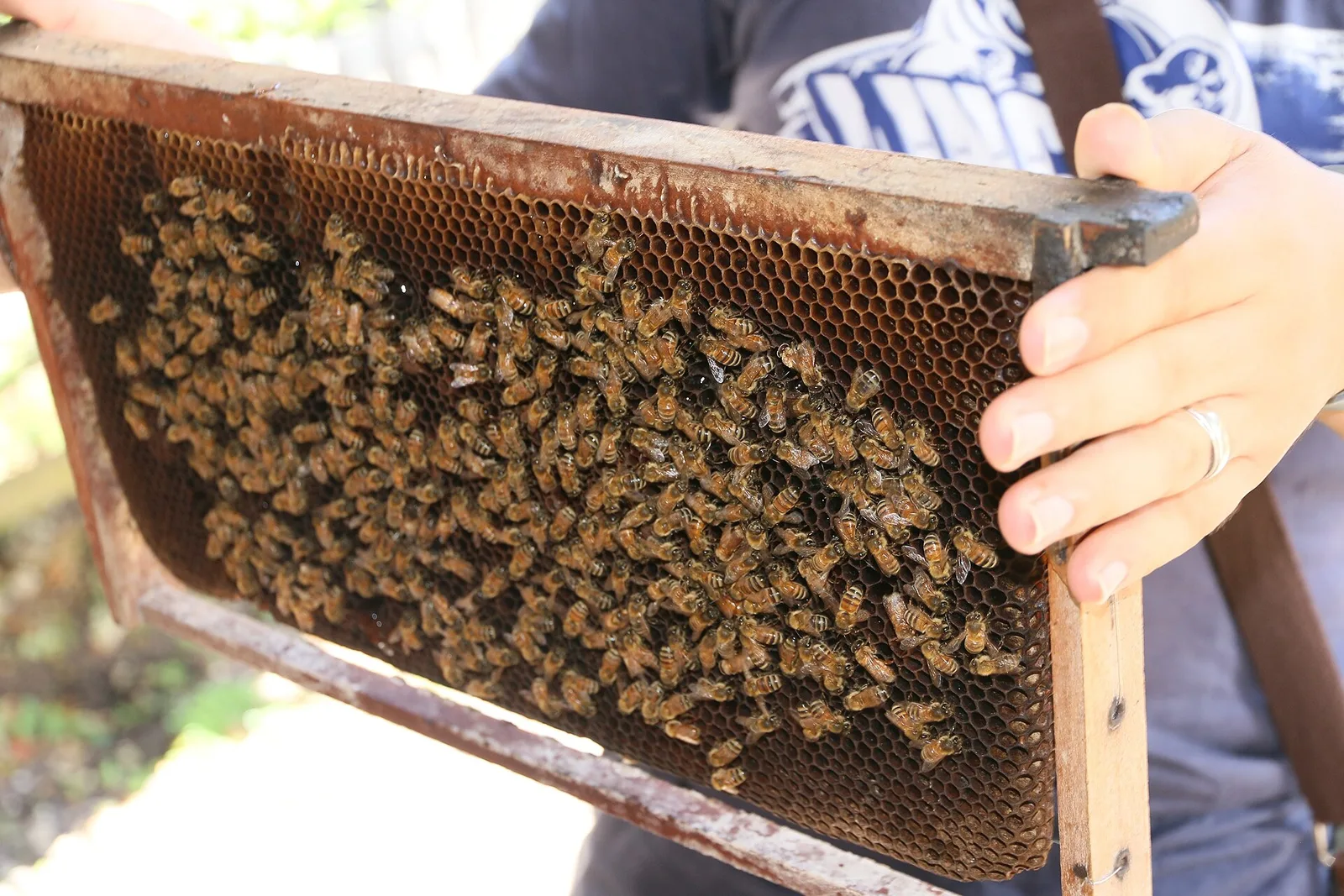
Comb is uncapped, the honey drawn out and passed once through fine cloth. That takes out wax and hive debris and leaves everything else — pollen, enzymes, aroma.
No heating. No pressure filtration. Jars are filled cold, sealed, and marked with a lot number that ties each one back to an apiary block and a harvest month.
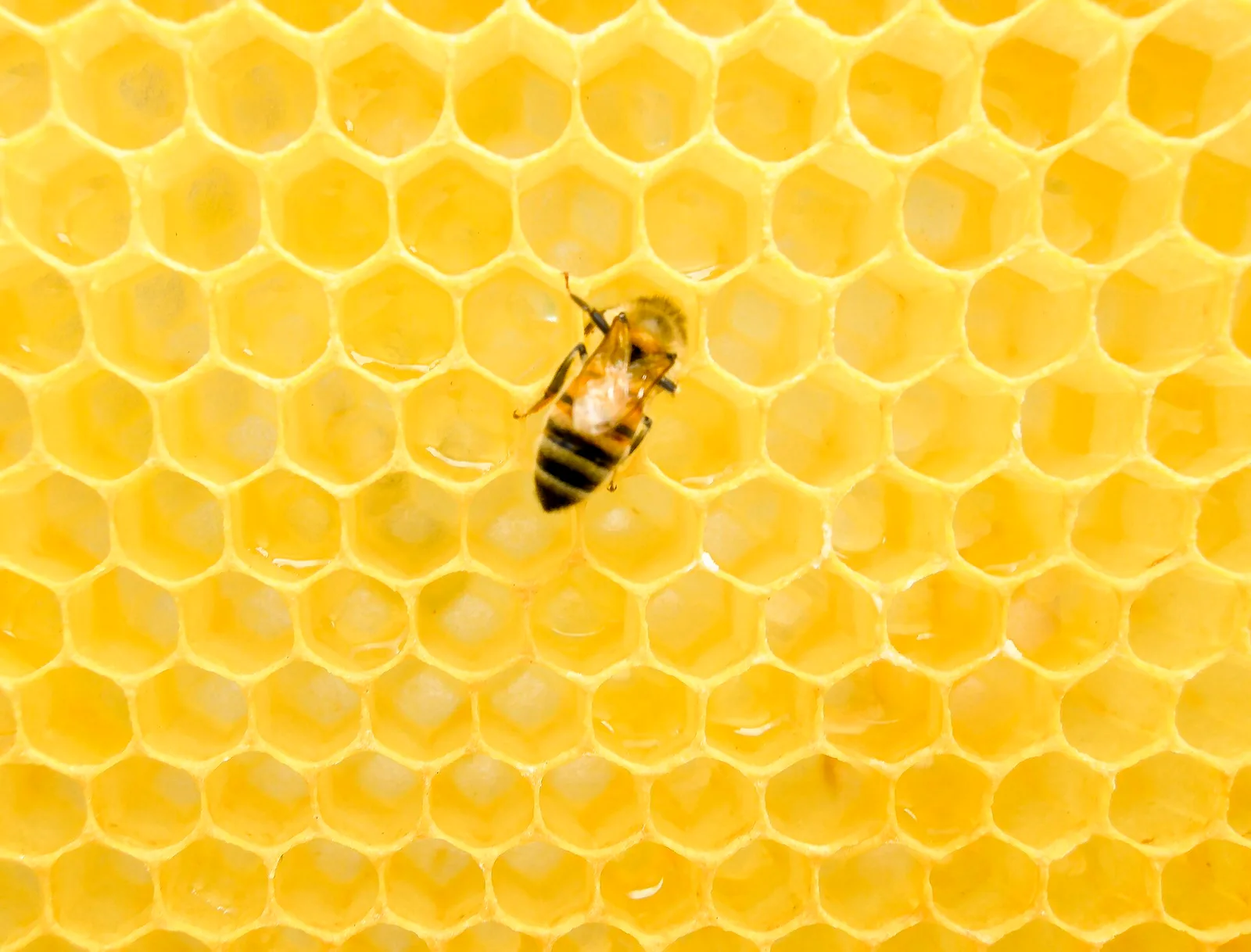
Hives are sited to pollinate the surrounding farmland, which is worth more to the neighbours than the honey is to us. We do not smoke colonies out or destroy them to take comb.
The land around the apiary is left to flower. What the bees forage is what ends up in the jar, so protecting the one protects the other.
Each honey stays a single harvest from a single set of hives.
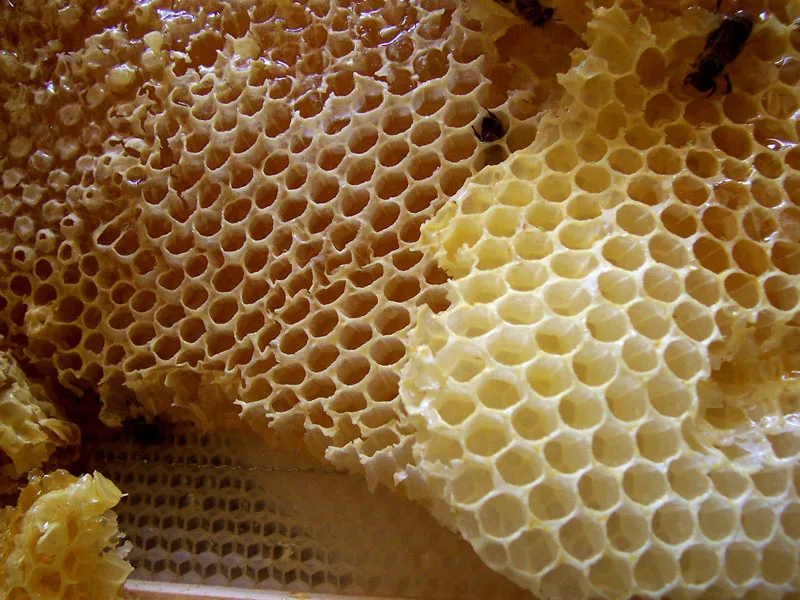
Nothing goes above hive temperature at any point.
Only fully capped frames come out of the hive.
Beekeepers are paid per kilo, in full, at collection.
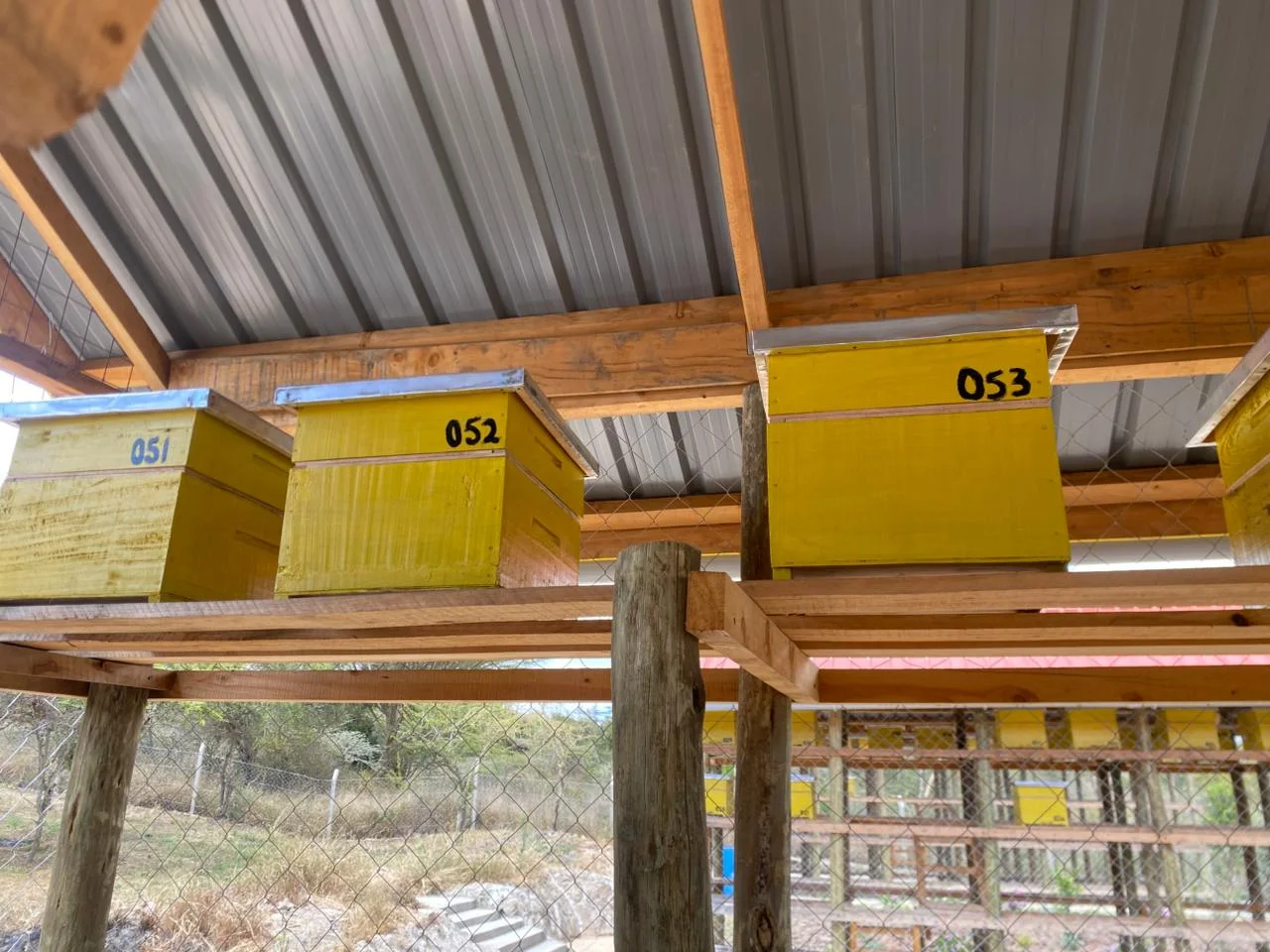
Every jar carries a lot number tied to a block and a month.
We host small groups at Mwendo wa Musau Integrated Farm, Malili (Konza), Mombasa Road by arrangement during harvest months. Message us and we will tell you what is happening at the hives that week.