 01
01100% Natural
Nothing added, nothing taken out. No syrup, no water, no colouring — only what the bees made.
Free delivery over KSh 3,500Free delivery on orders over KSh 3,500 · Harvested at Malili, delivered countrywide
Discover authentic, naturally harvested honey crafted by nature and delivered with care. Raw, unheated and strained once — from our hives past Konza to your table.
Five things we hold to on every harvest. They are also why our honey behaves the way honey should — setting, thickening and shifting with the season.
01Nothing added, nothing taken out. No syrup, no water, no colouring — only what the bees made.
 02
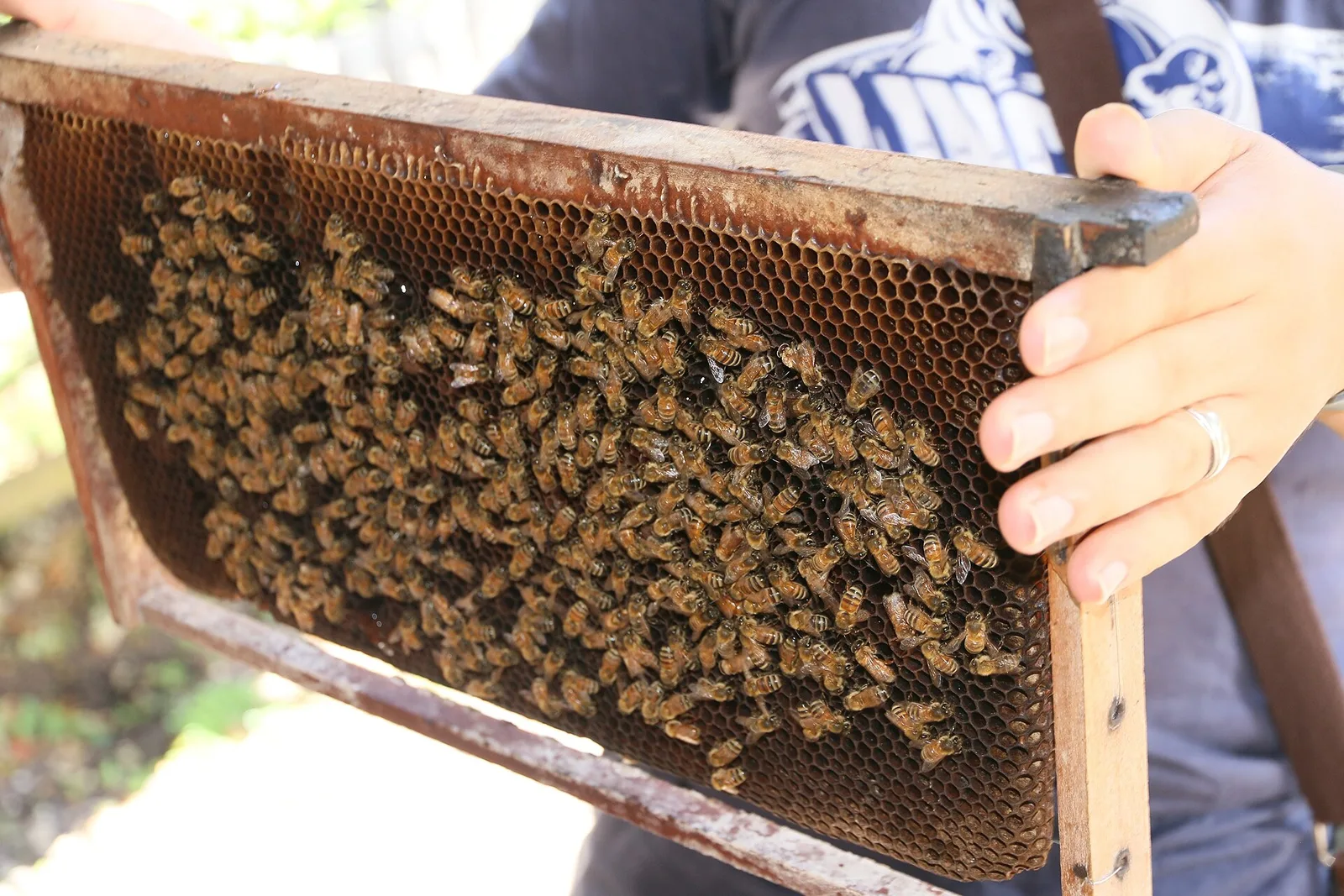
02We take only capped surplus comb and leave each colony enough to feed itself through the dry months.
 03
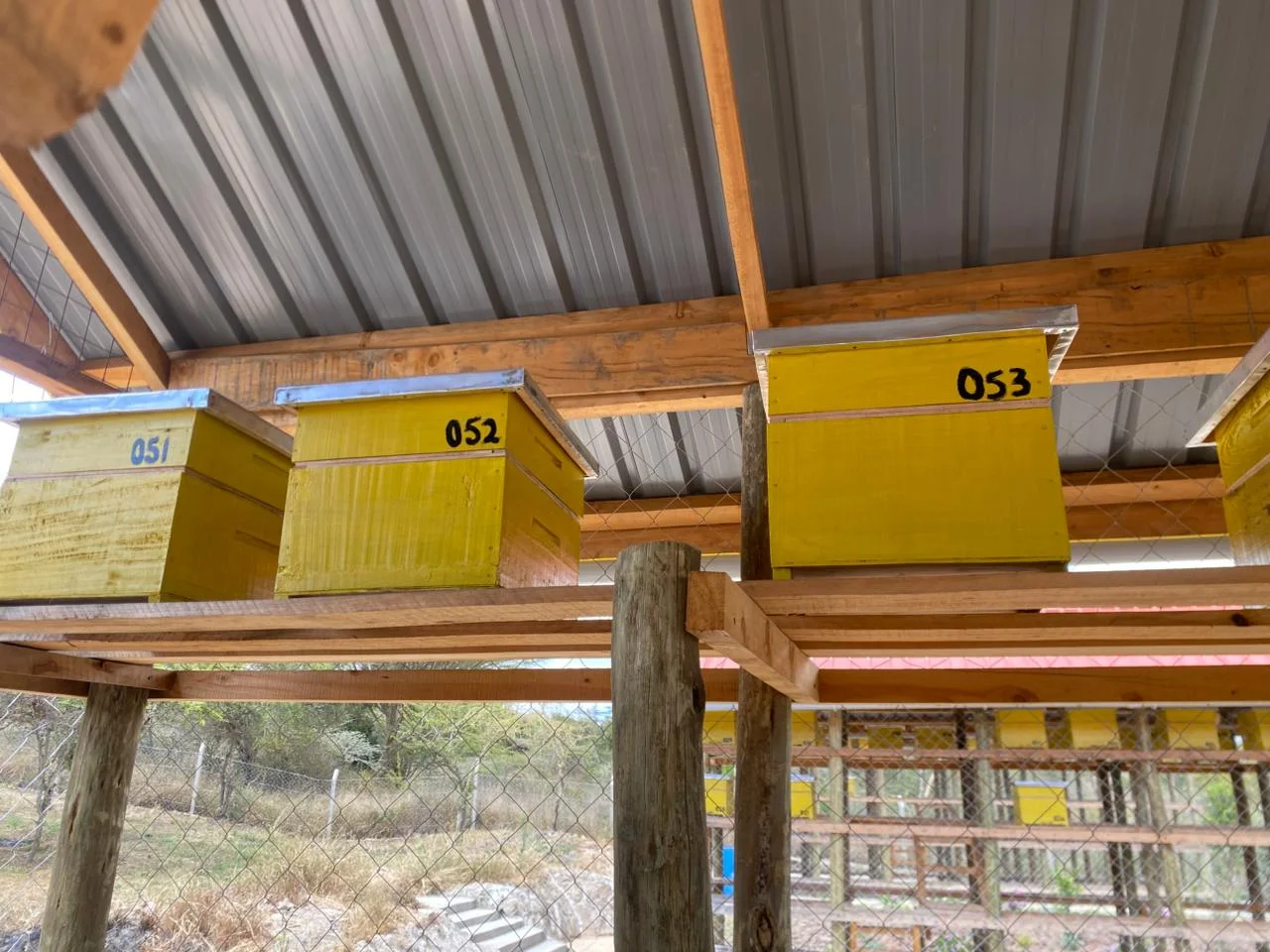
03Hives are tended by families around Malili who are paid per kilo, in full, on collection day.
 04
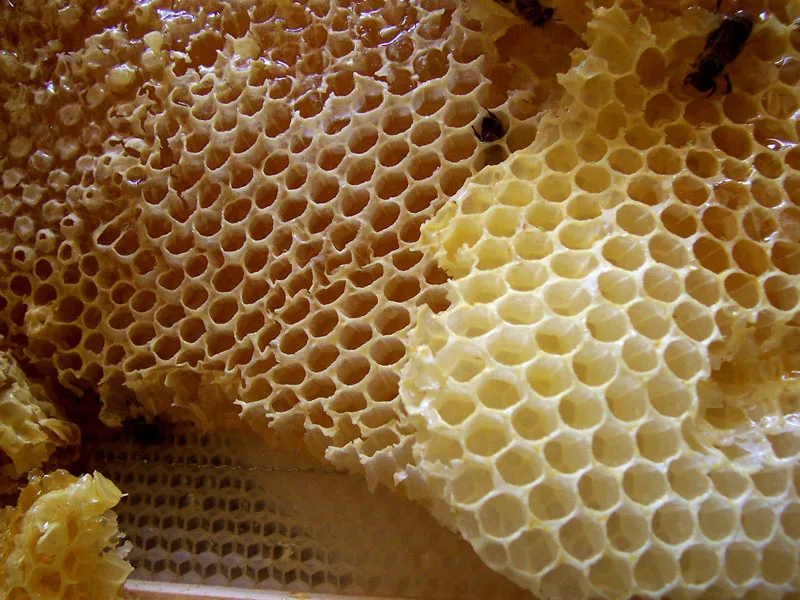
04Strained once through cloth and jarred cold, so the pollen and natural enzymes stay in the jar.
 05
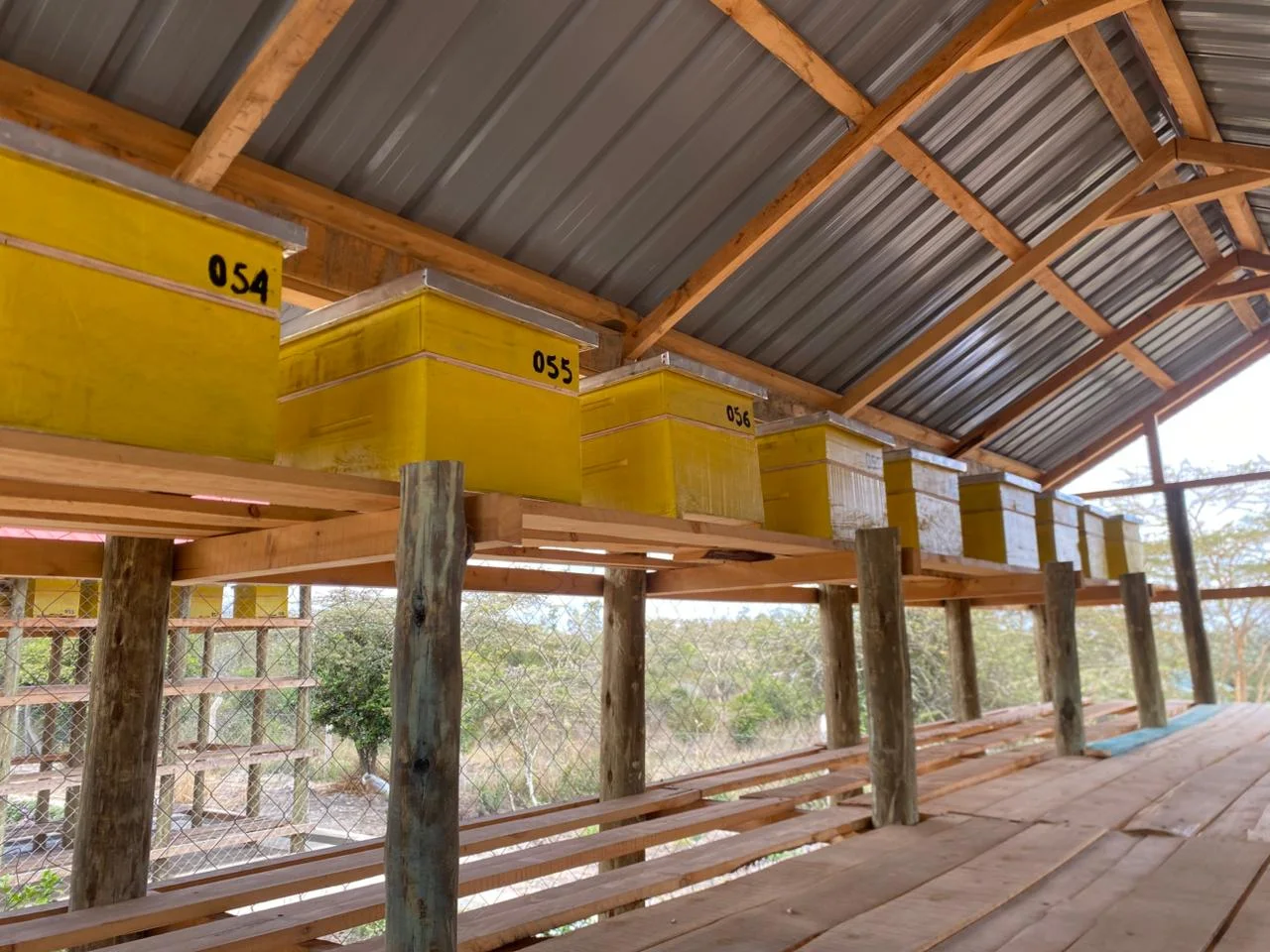
05Hives are placed to pollinate the surrounding farmland. No smoke-outs, no destroyed colonies.
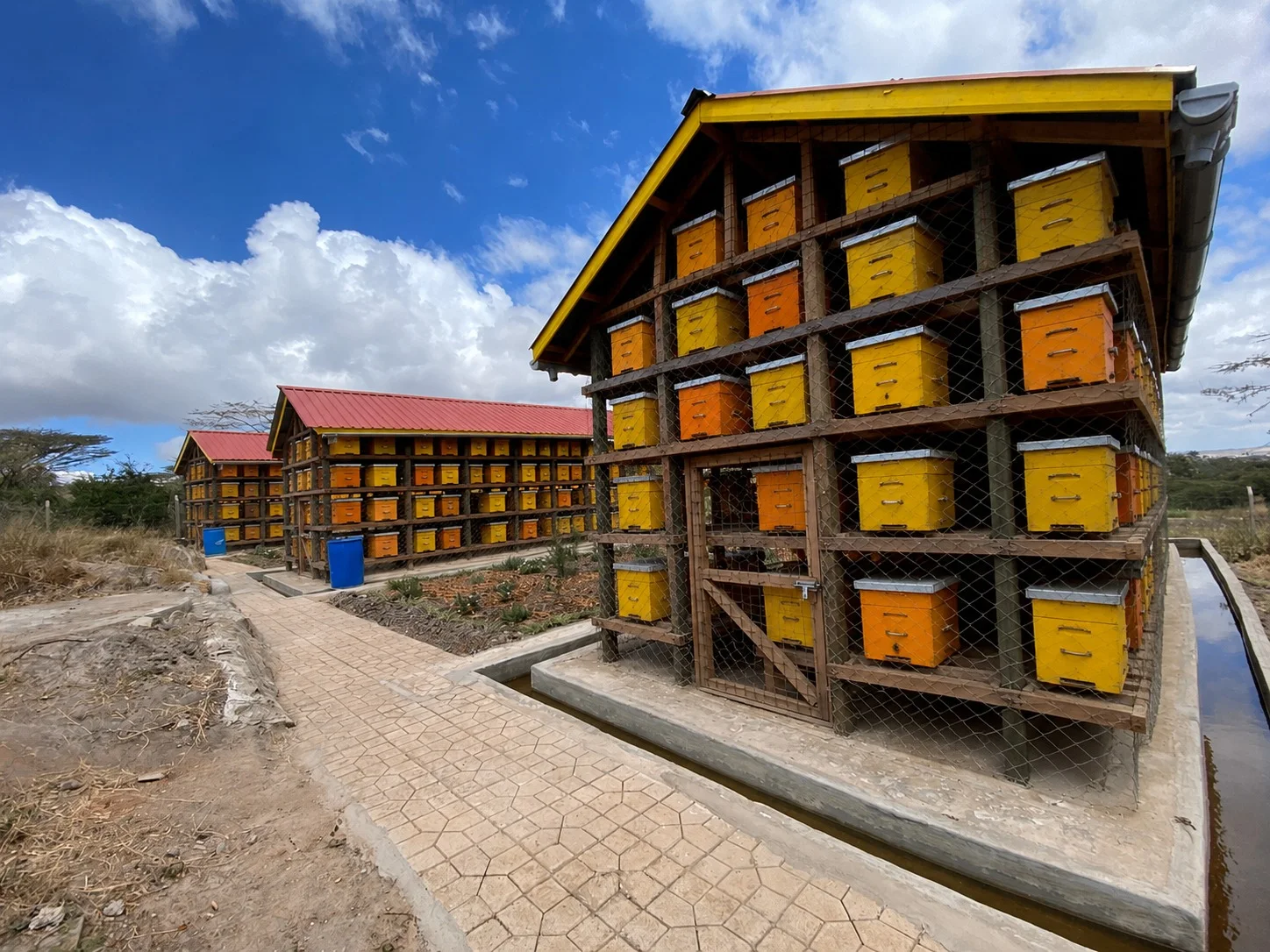
A frame is only taken once the comb is fully capped.
Capping is the bees’ own signal that the honey is ripe and below 18% water — the point at which it keeps indefinitely. Harvesting early gives a wetter honey that can ferment, so we wait, even when it costs us a batch.
200+
Hives
18%
Max water
0
Additives
Four jars that cover the range — light and floral through to dark and resinous. Choose a size on the card, or open a quick view to read the tasting notes first.
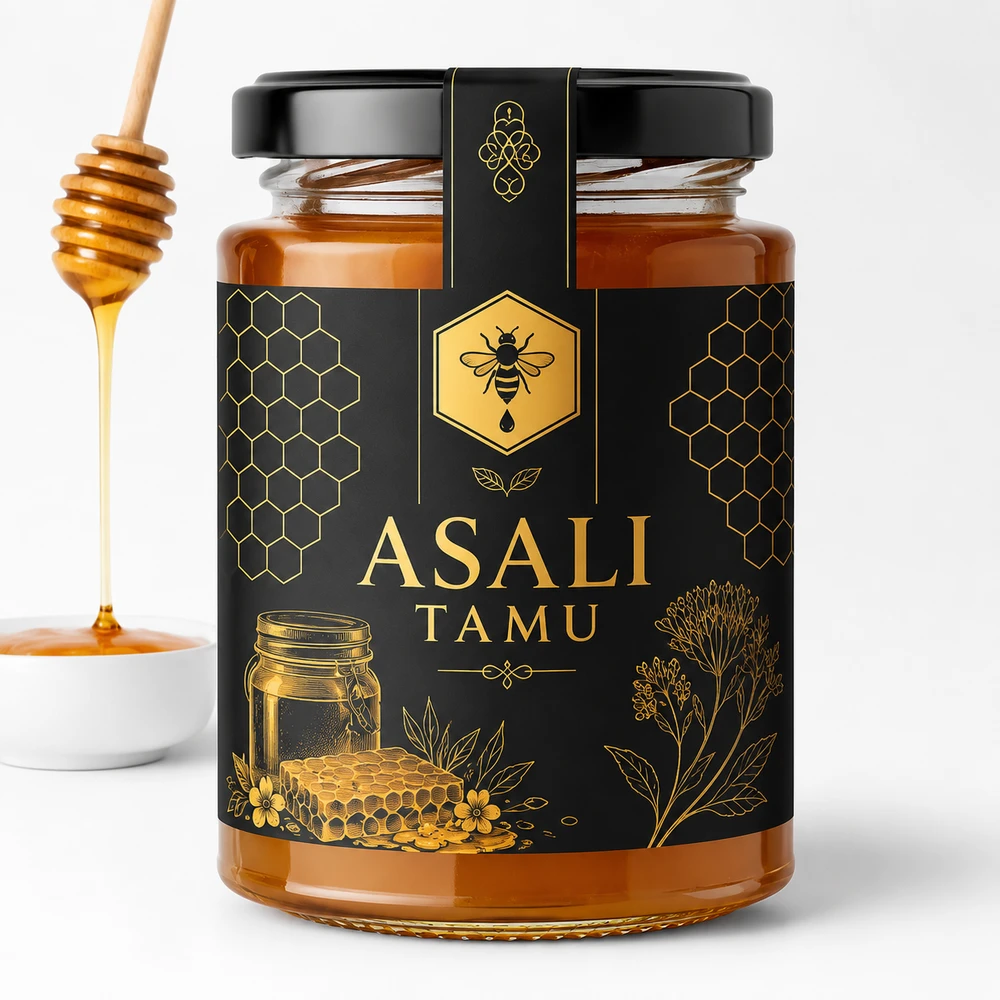
Raw multiflora honey in a premium glass jar. 250 g net weight, KSh 2,200 per kg.
Raw multiflora honey in a premium glass jar. 1 kg net weight, KSh 1,750 per kg.
Raw multiflora honey in a premium large glass jar. 2.5 kg net weight, KSh 1,600 per kg.
Raw multiflora honey in a premium food-grade container. 5 kg net weight, KSh 1,440 per kg.
Most of what people believe about honey is half right. These are the things worth knowing before you buy any jar, from anyone.
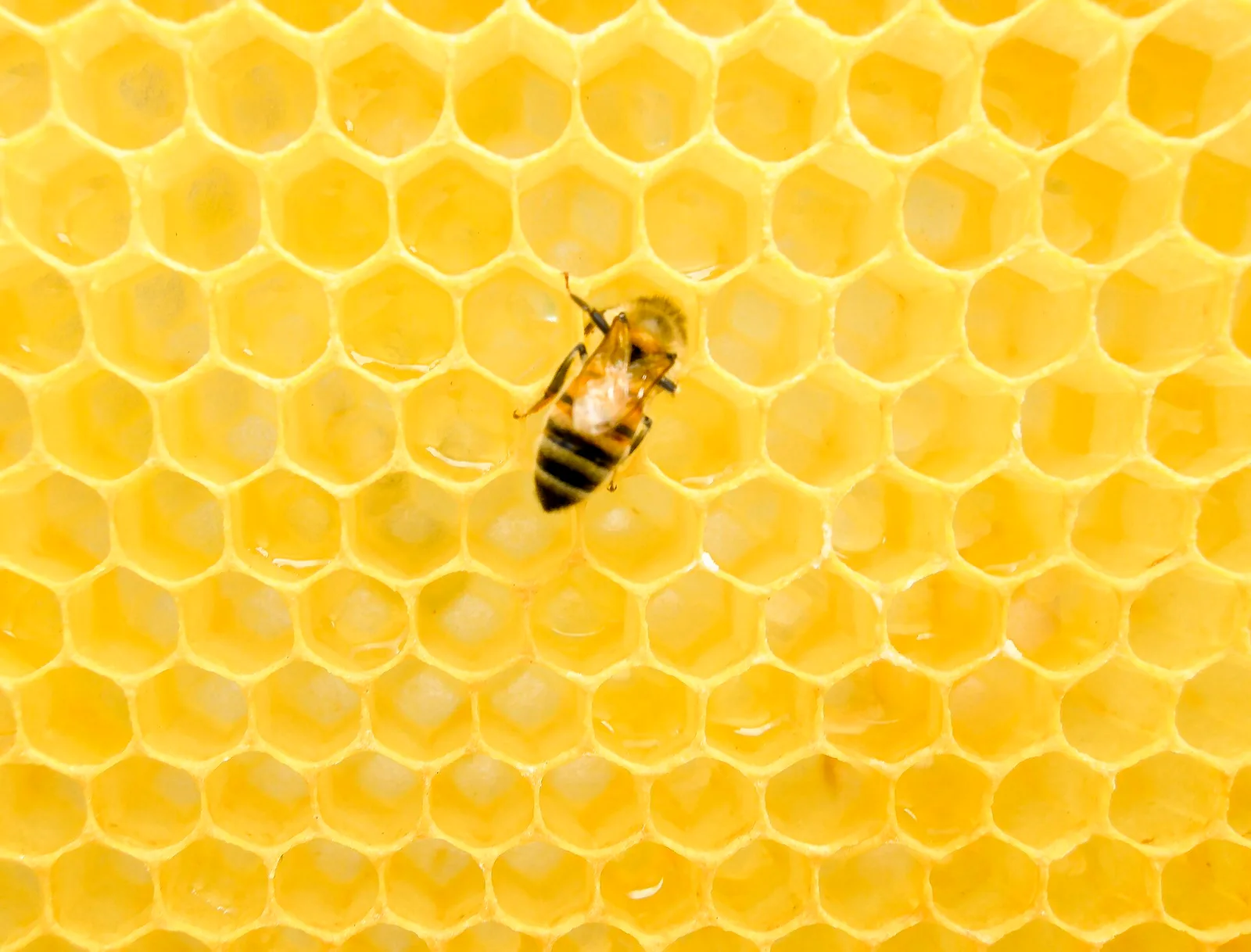
ASALI TAMU began with a handful of hives on family land at Mwendo wa Musau Integrated Farm, Malili (Konza), Mombasa Road. The idea was simple and slightly stubborn: sell honey the way it comes out of the hive, and explain honestly what that means.
Today more than 200 hives are worked across the same land. What has not changed is the pace. We harvest twice a year rather than continuously, take only capped surplus, and leave every colony enough to carry itself through the dry months. It caps how much we can sell, and some honeys run out.
The beekeepers who tend those hives are paid per kilo, in full, on collection day. No deferred payment, no deductions against next season.
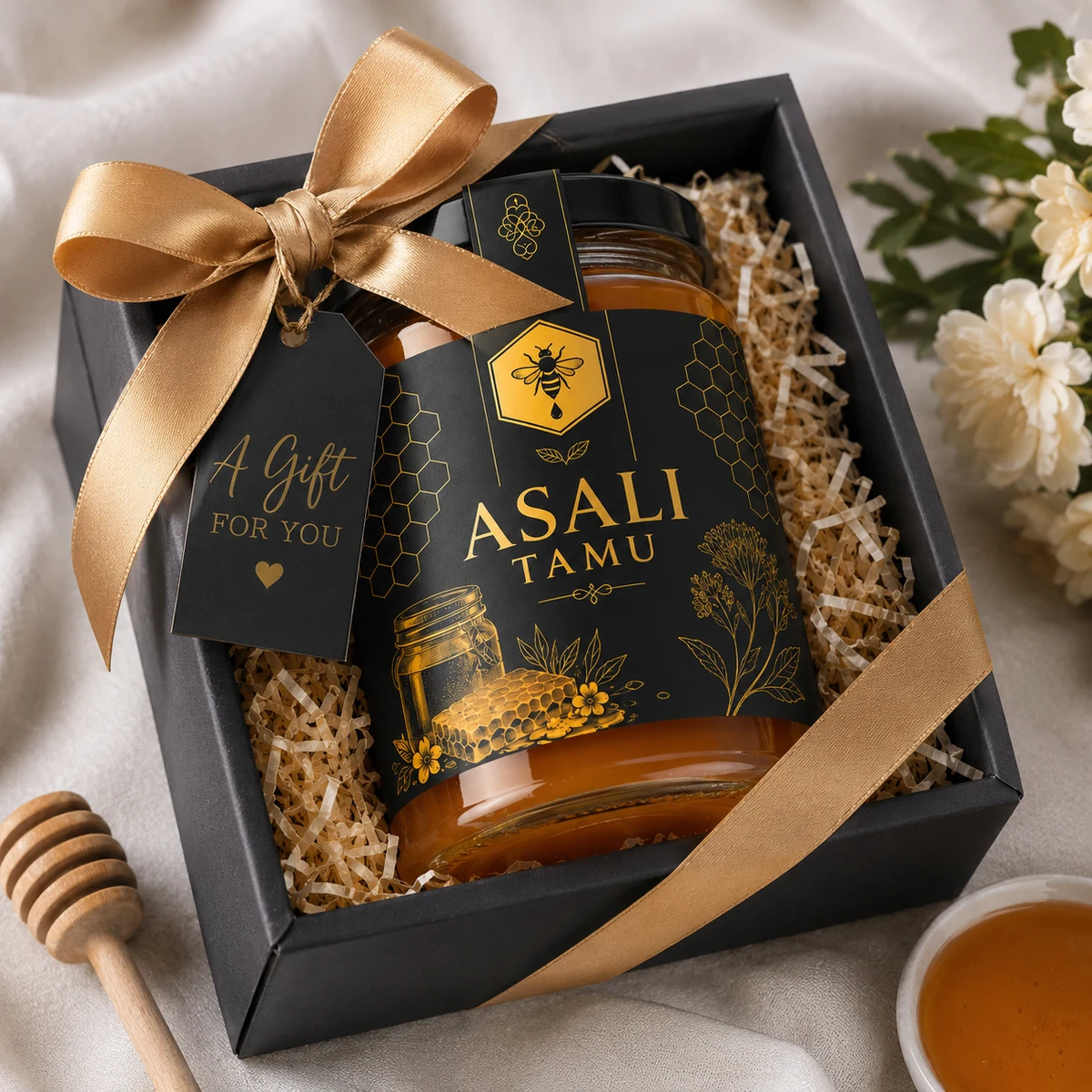
The Premium Gift Pack carries our light, balanced and dark honeys in 250 g jars, with a turned wooden dipper and a printed card giving the origin, harvest month and tasting notes for each. Sealed with a gold band, with a handwritten note if you want one, and no price on the packing slip.
Three questions, then we point you at the jar that fits. No email required.
Pick the one you would reach for most often.
Honey does more than sweeten. These are the ways we actually use it — with the honey that suits each job named for you.
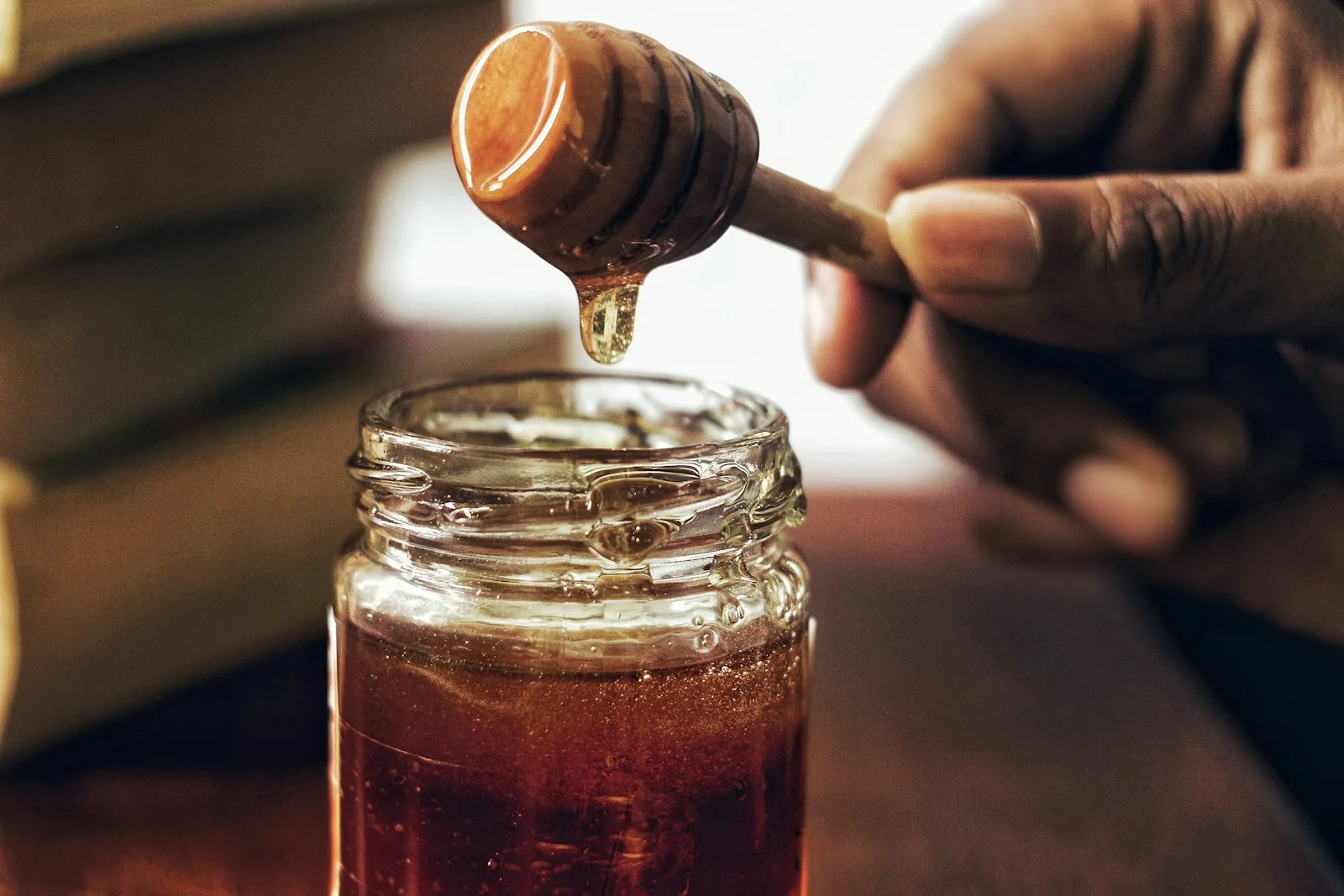 Drinks
The cold-weather standby. The trick is letting the water go off the boil before the honey goes in.
10 min · serves 2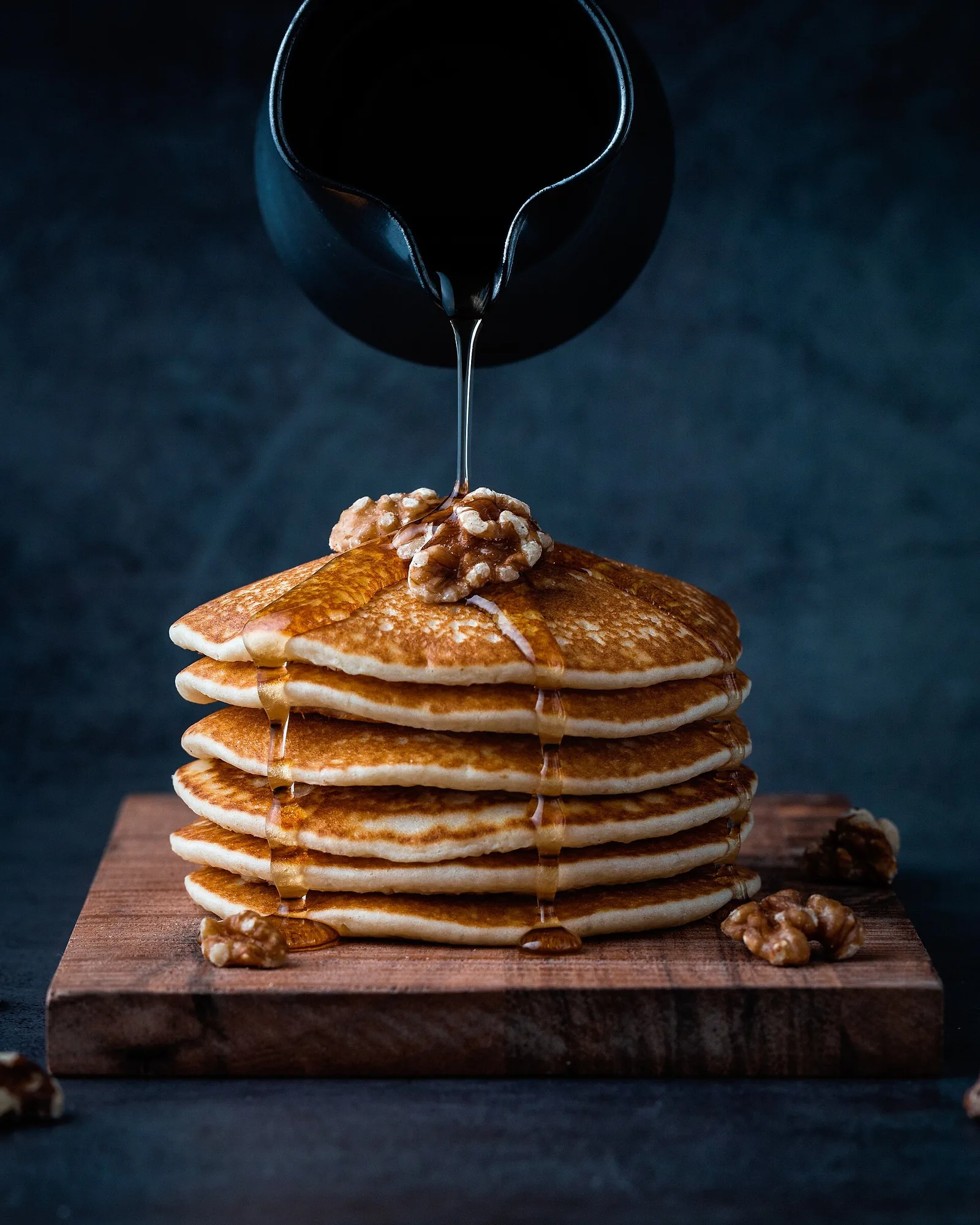 Breakfast
Thick pancakes finished with warm honey and toasted nuts.
25 min · serves 4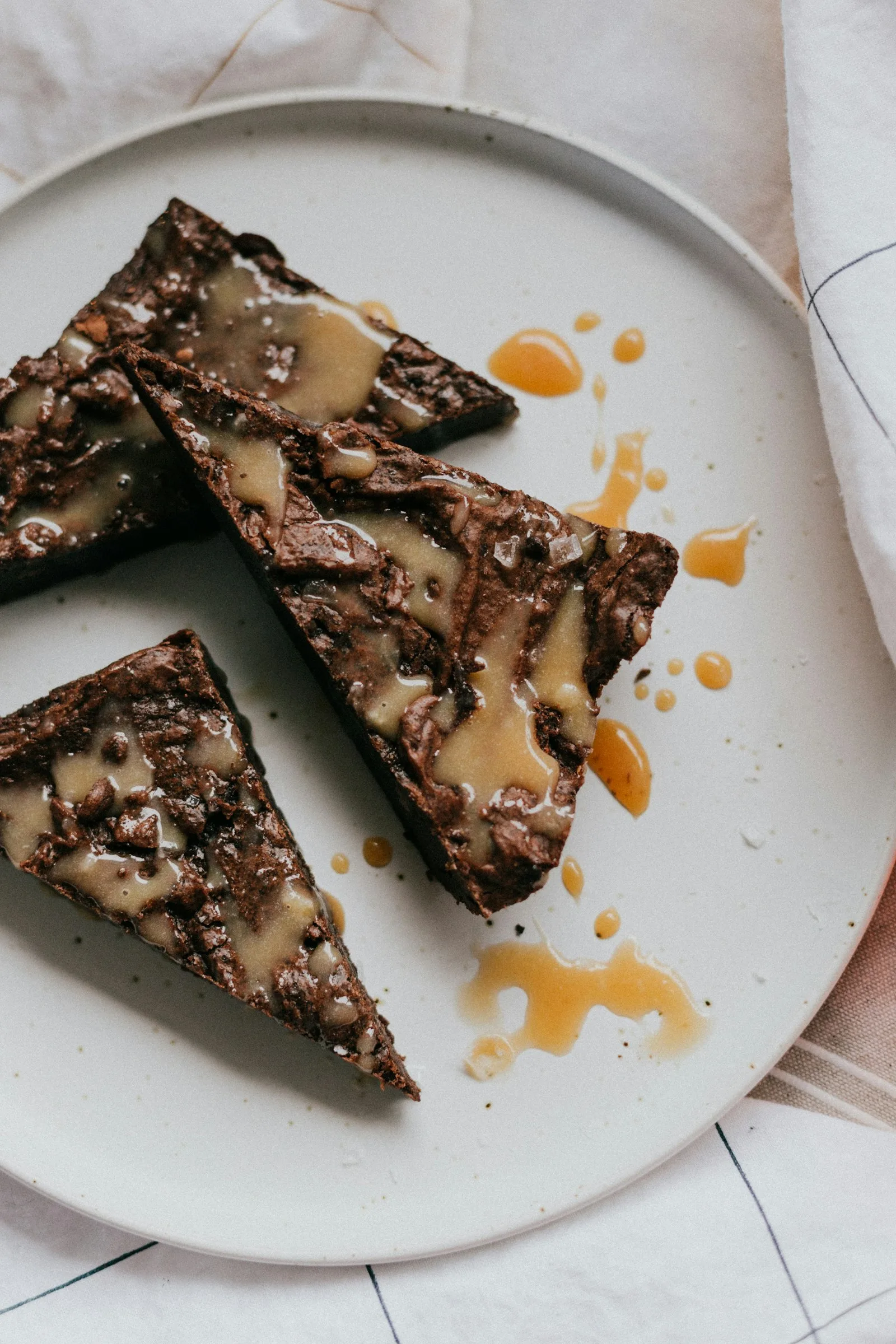 Smoothies
Four ingredients, one blender. Loosen the honey first so it does not sink to the bottom.
5 min · serves 2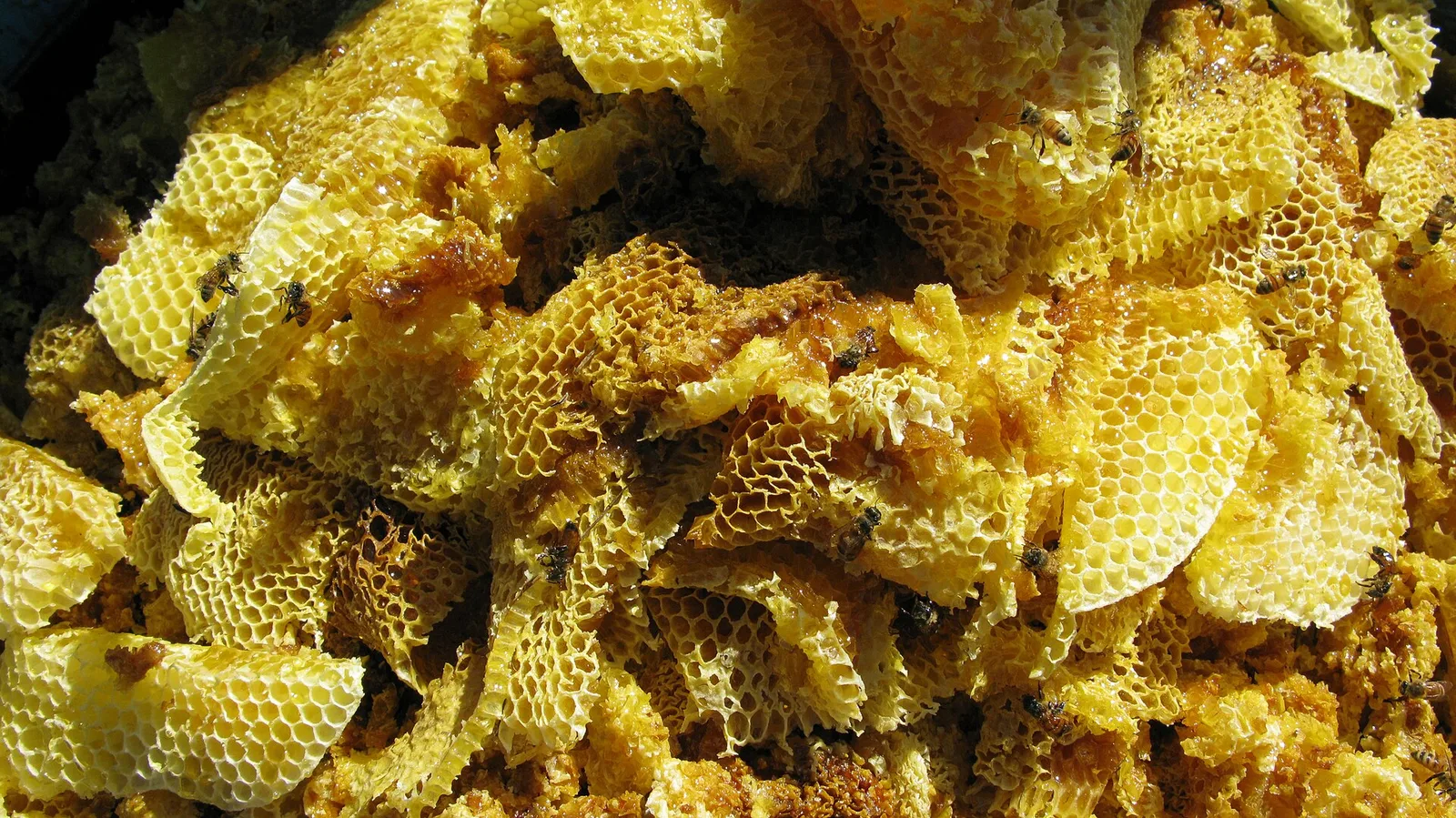 Baking
A soft loaf that stays fresh for days, because honey holds on to moisture in a way sugar does not.
65 min · serves 8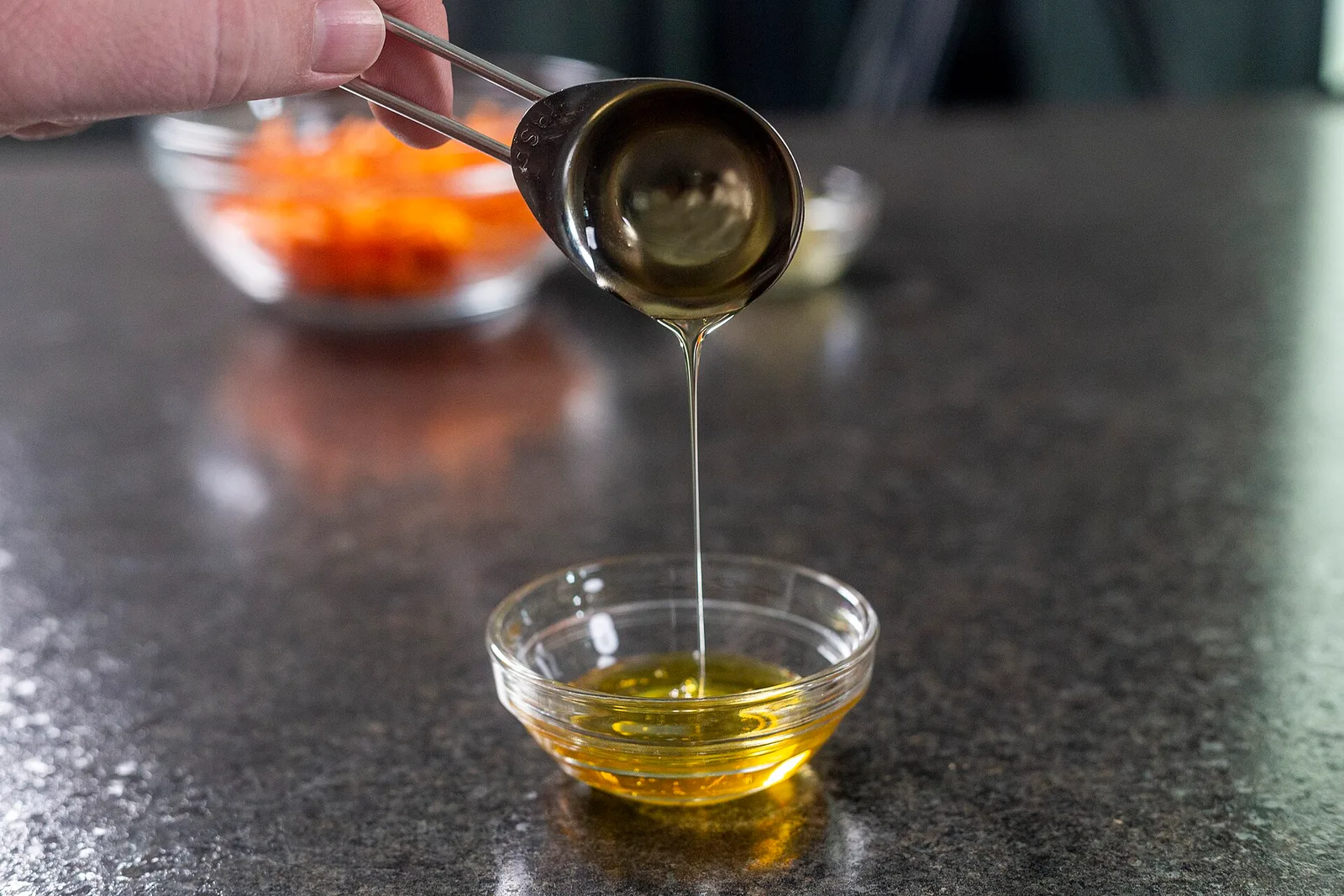 Cooking
A glaze for roast chicken, pork or root vegetables. This is where the strong forest honey earns its place.
15 min · serves 4DessertsThree ingredients and no cooking. The comb does the work — you eat the wax along with the honey.
8 min · serves 4Verified buyers, unedited. We leave the four-star reviews up too.
Based on 8 verified reviews
Delivered across Kenya
I bought this partly to test it. Two months in the cupboard and it turned creamy and solid, which is exactly what the honey I grew up with did. The supermarket jars I had been buying never do that. Warmed the jar in water and it came right back.
Pure Natural Honey · 1 kg
I do not really like honey — too sugary. This one is different, more like treacle, with a bitter edge at the end. I use it on cheese and in a marinade for pork. My wife thinks it is too strong for tea, and she is right, so we keep the wildflower for that.
Raw Forest Honey · 500 g
The box arrived sealed with the gold band and the handwritten card, exactly as described. Three jars, light through to dark, and a card explaining each one. She rang me the same evening to talk about the difference between them, which is not a call I expected to get about honey.
Premium Gift Pack
Bought this because I wanted honey for tea that would not take over the taste. It does the job and has not crystallised at all in four months. Only reason it is four stars and not five is that I would have liked a bigger jar at the time — I see they now do a 1 kg.
Acacia Honey · 500 g
I had never eaten comb before and was not sure about chewing wax. It is good — faintly floral, and the honey around it is cleaner-tasting than anything extracted. Served it on a cheese board and it disappeared first. Ordered again the following week.
Raw Comb Honey · 400 g
A spoon in hot water most mornings through the cold season. You can taste that the ginger is fresh rather than powdered, and there is a real peppery heat at the back. The particles settle, as the label says they will, so I stir it.
Honey with Ginger & Turmeric
The aroma when you open the jar is the thing. Very floral, almost like orange blossom. It went solid after about six weeks which I now understand is normal for this one. Good on yoghurt and in green tea.
Wildflower Honey · 250 g
We use it across the bakery. Per kilo it works out well below the retail jars and the quality is identical — same lot numbers on the lid. Delivery was next day within Nairobi. It does sell out after each harvest, so we now order early.
Catering Honey · 3 kg
The things people ask most often. If yours is not here, the full list covers ordering, storage and delivery in more detail.
All questionsYes. It is raw honey, strained once through cloth to remove wax and hive debris, then jarred cold. Nothing is added — no syrup, no water, no colouring — and nothing is heated past hive temperature. The pollen stays in the jar, which is also what allows a honey's origin to be verified in a laboratory.
Because we do not blend harvests to force a uniform product. Our February honey is gathered from different flowering than our September honey, and that shows up as a shift in colour, aroma and taste. Over a hundred volatile compounds contribute to a honey's character, and they change with the nectar source.
Honey is not suitable for infants under twelve months because of the risk of infant botulism. This applies to all honey, raw or pasteurised, and to every brand. Above that age it is fine. If you are pregnant and unsure, ask your clinician.
In a sealed jar at room temperature, out of direct sunlight, with a dry spoon used every time. Do not refrigerate it. Honey is hygroscopic, so an open jar will draw moisture from the air, and moisture is what allows fermentation.
Honey holds far more sugar than water can normally dissolve, so over time glucose comes out of solution as crystals. How quickly depends on the ratio of glucose to fructose in that particular honey. Crystals grow fastest between 13 and 17 °C, which is roughly fridge temperature — another reason not to refrigerate. Stand the jar in warm water to bring it back; crystallised honey melts between about 40 and 50 °C.
Kept sealed and below about 18% water content, honey has an indefinite shelf life. Its high sugar concentration and low pH — averaging around 3.9 — mean microorganisms cannot grow in it. We print a best-before date because regulations require one, not because the honey stops being good.