What Makes Pure Honey Different?
Raw honey and the glossy, uniform product on most supermarket shelves are rarely the same thing. Here is what actually separates them.
6 minute read
Honey is a finished product before it leaves the hive
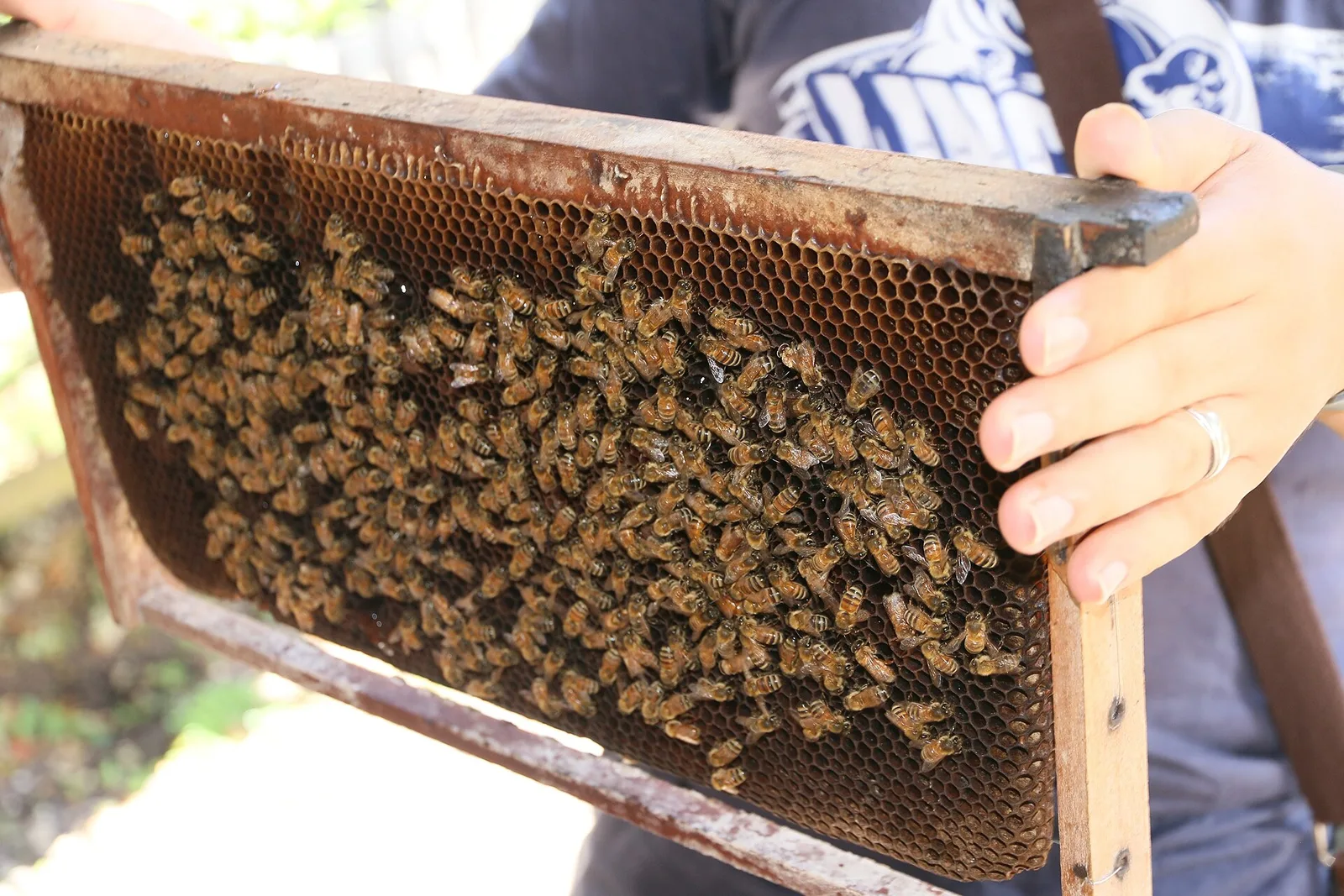
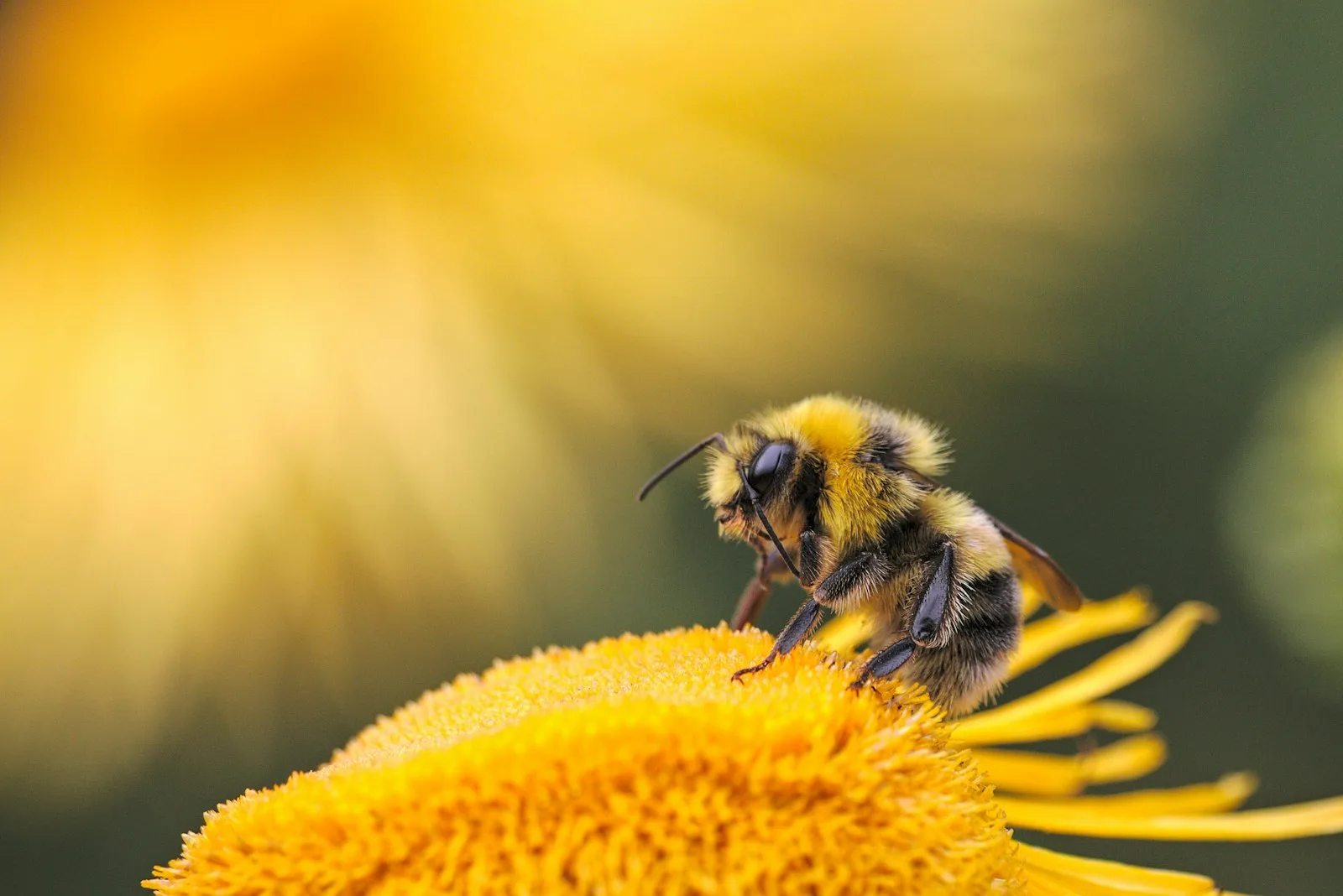
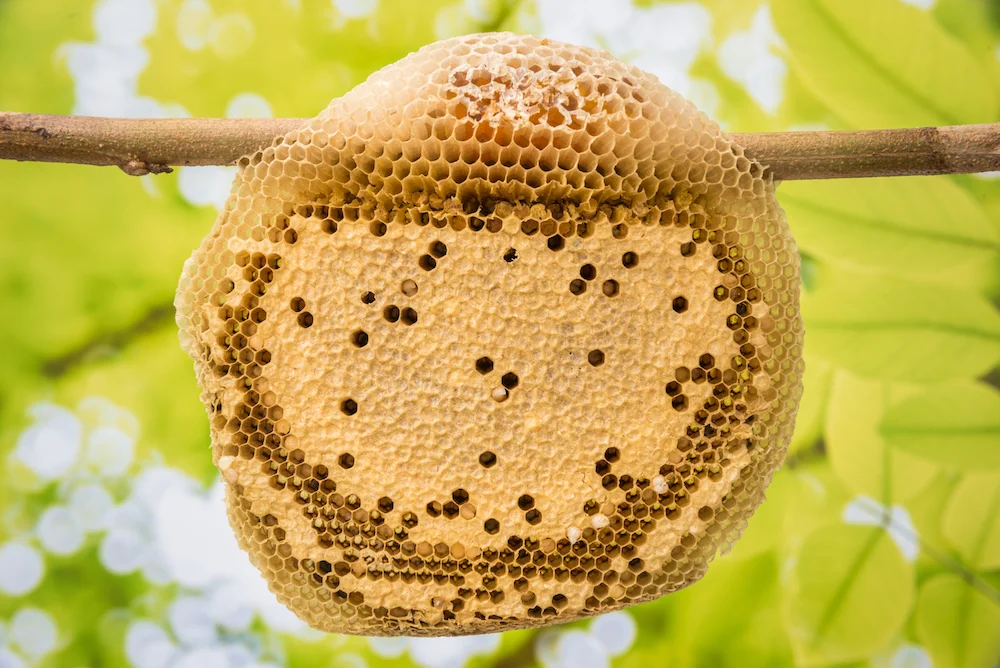
Bees collect nectar that is roughly 70–80% water. Back at the hive they pass it between themselves, adding enzymes from the hypopharyngeal gland and fanning it until the water falls to between 15.5% and 18%. Only then do they cap the cell with wax.
That capping is a signal. It means the honey is ripe, stable, and will keep. A beekeeper who harvests uncapped frames gets a wetter honey that can ferment. We wait for the caps.
What processing removes
Two things commonly happen to honey between hive and shelf: heating and pressure filtration.
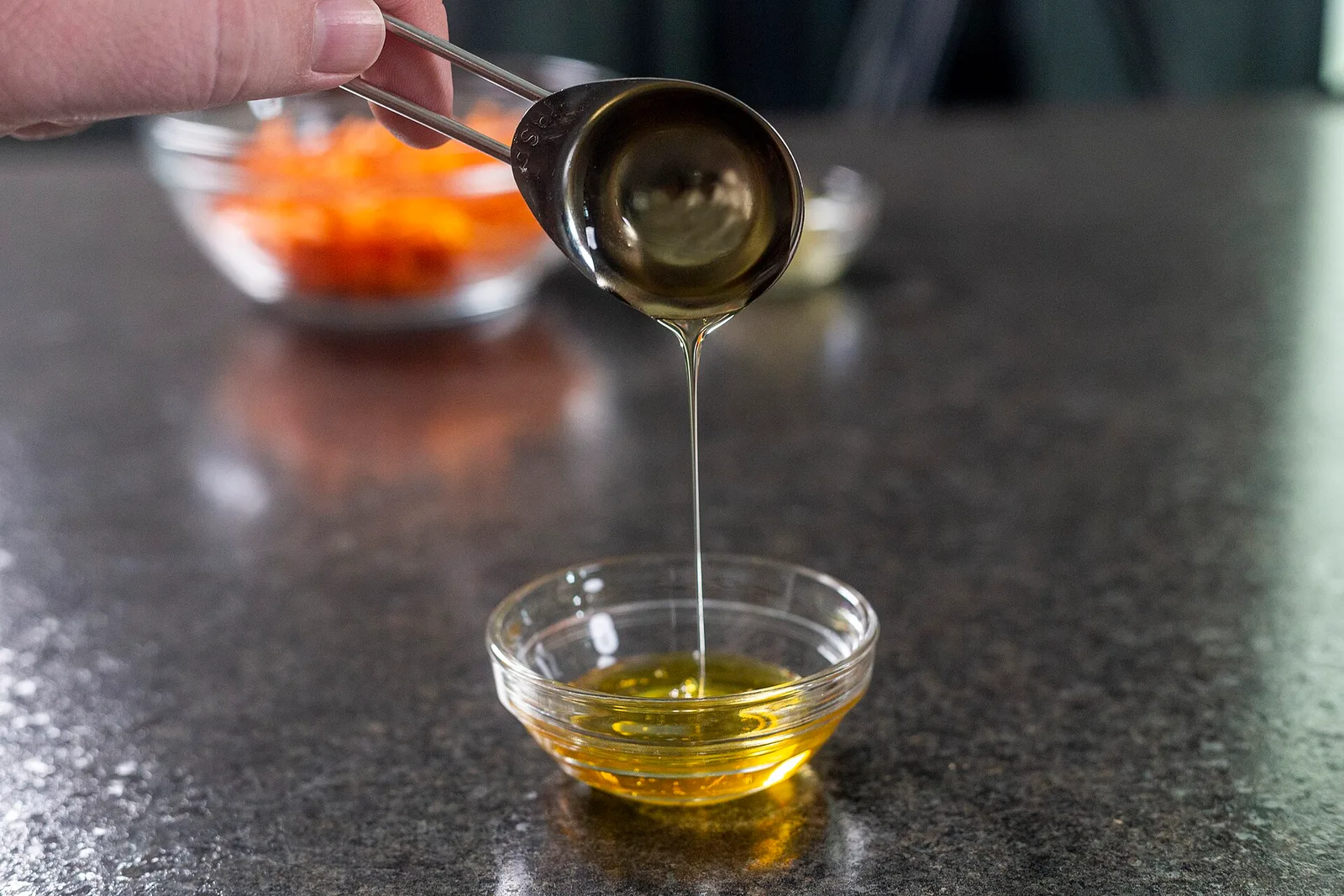
Heating thins the honey so it flows through machinery quickly and delays crystallisation, which makes it easier to sell. Pasteurisation at 72 °C or above kills yeast, but it also flattens the aroma compounds and denatures the enzymes the bees added.
Fine filtration under pressure strips out pollen. Pollen is what allows a laboratory to identify where a honey came from, so its removal makes a honey untraceable. It is also part of what you are paying for.
- Raw honey: strained through cloth to remove wax and hive debris, nothing more.
- Filtered honey: forced through fine media, often warm, with pollen removed.
- Pasteurised honey: heated to kill yeast and delay setting.
- Adulterated honey: cut with syrup — corn syrup is now the most common adulterant.
Adulteration is a real and measurable problem
Diluting honey with cheaper sugar syrup is an old trade. Historically it was done with maple, birch or sorghum syrup; today nearly flavourless corn syrup is the usual choice because it is hard to taste.
It is not, however, hard to measure. Isotope ratio mass spectrometry can detect added cane or corn sugar at levels as low as seven per cent, because those plants fix carbon differently from the plants bees forage. Under the Codex Alimentarius standard, anything labelled honey must not be adulterated at all.
What our jars do instead
We strain once through cloth at hive temperature, then jar cold. The honey keeps its pollen, its enzymes and its aroma. In exchange it behaves like an agricultural product: the February harvest does not taste identical to September's, and most of our honeys set firm within a few months.
We consider that the point, not a defect.
Pure honey is a living, variable product. If a jar never changes, never sets and tastes identical year after year, something has been done to it.
Figures on this page are drawn from the Wikipedia article on Honey and standard apicultural references.
Taste the difference
Pure Natural Honey — 250 g
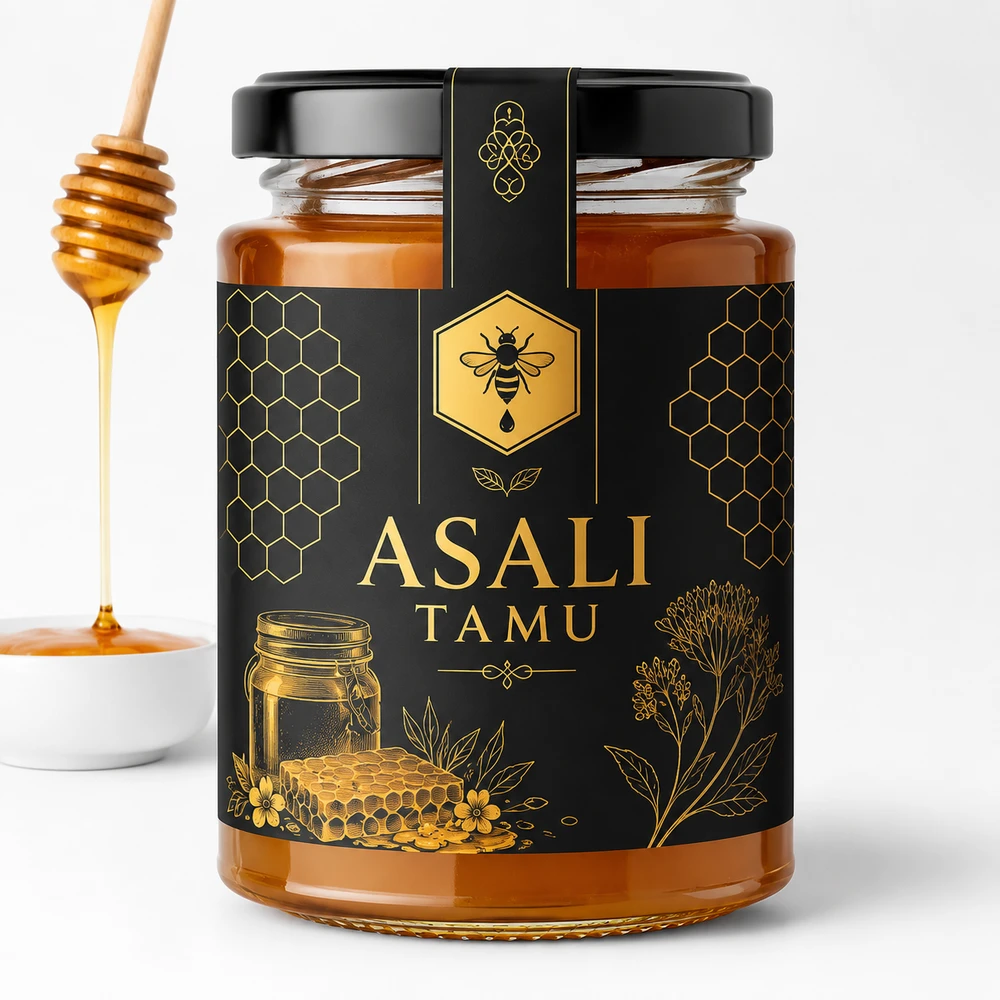
Raw multiflora honey in a premium glass jar. 250 g net weight, KSh 2,200 per kg.
Pure Natural Honey — 1 kg
Raw multiflora honey in a premium glass jar. 1 kg net weight, KSh 1,750 per kg.
Pure Natural Honey — 2.5 kg
Raw multiflora honey in a premium large glass jar. 2.5 kg net weight, KSh 1,600 per kg.
Pure Natural Honey — 5 kg
Raw multiflora honey in a premium food-grade container. 5 kg net weight, KSh 1,440 per kg.