From Hive to Jar
Seven stages between a flower at Malili and the jar in your kitchen — and what we are watching for at each one.
7 minute read
1 · Bees
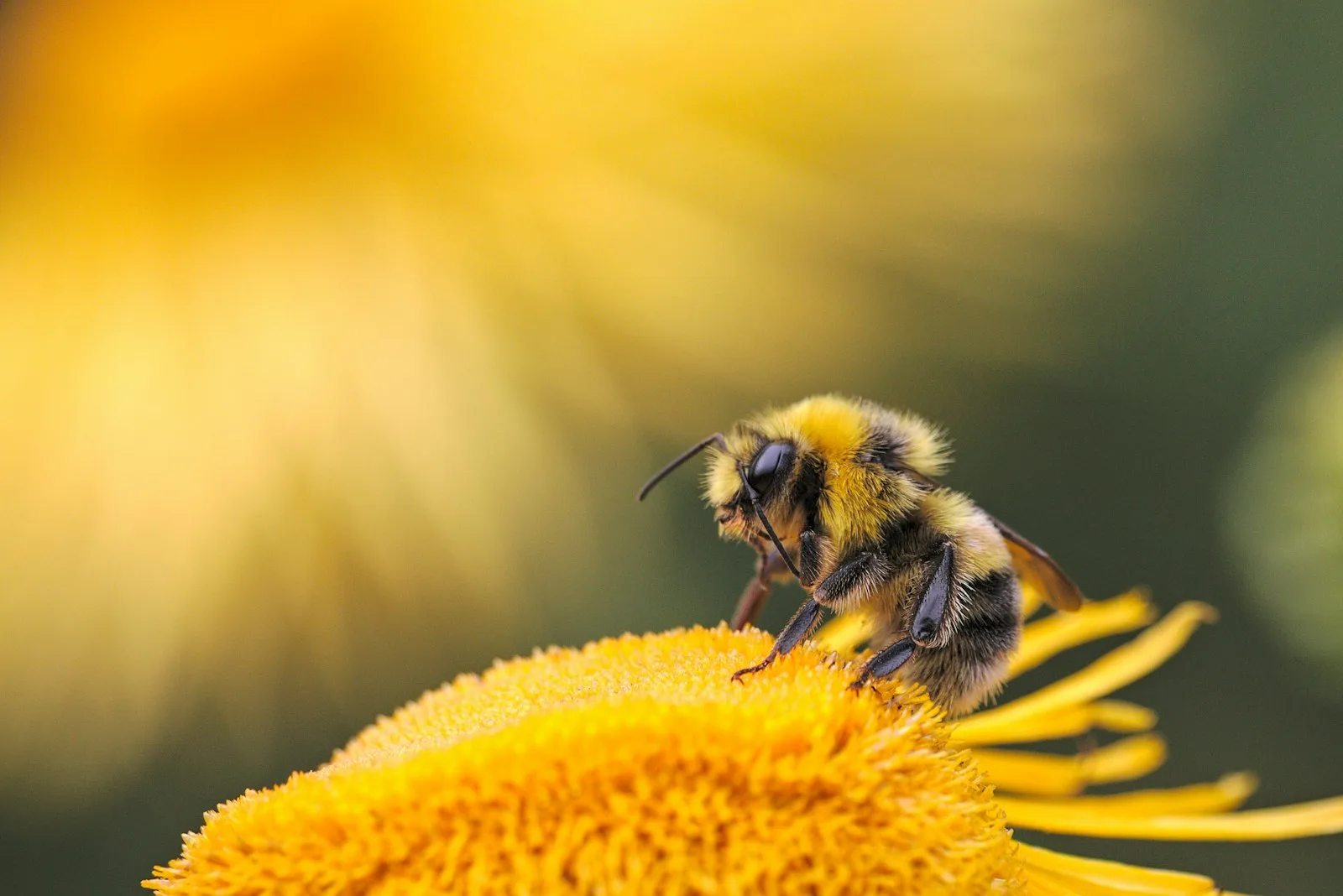
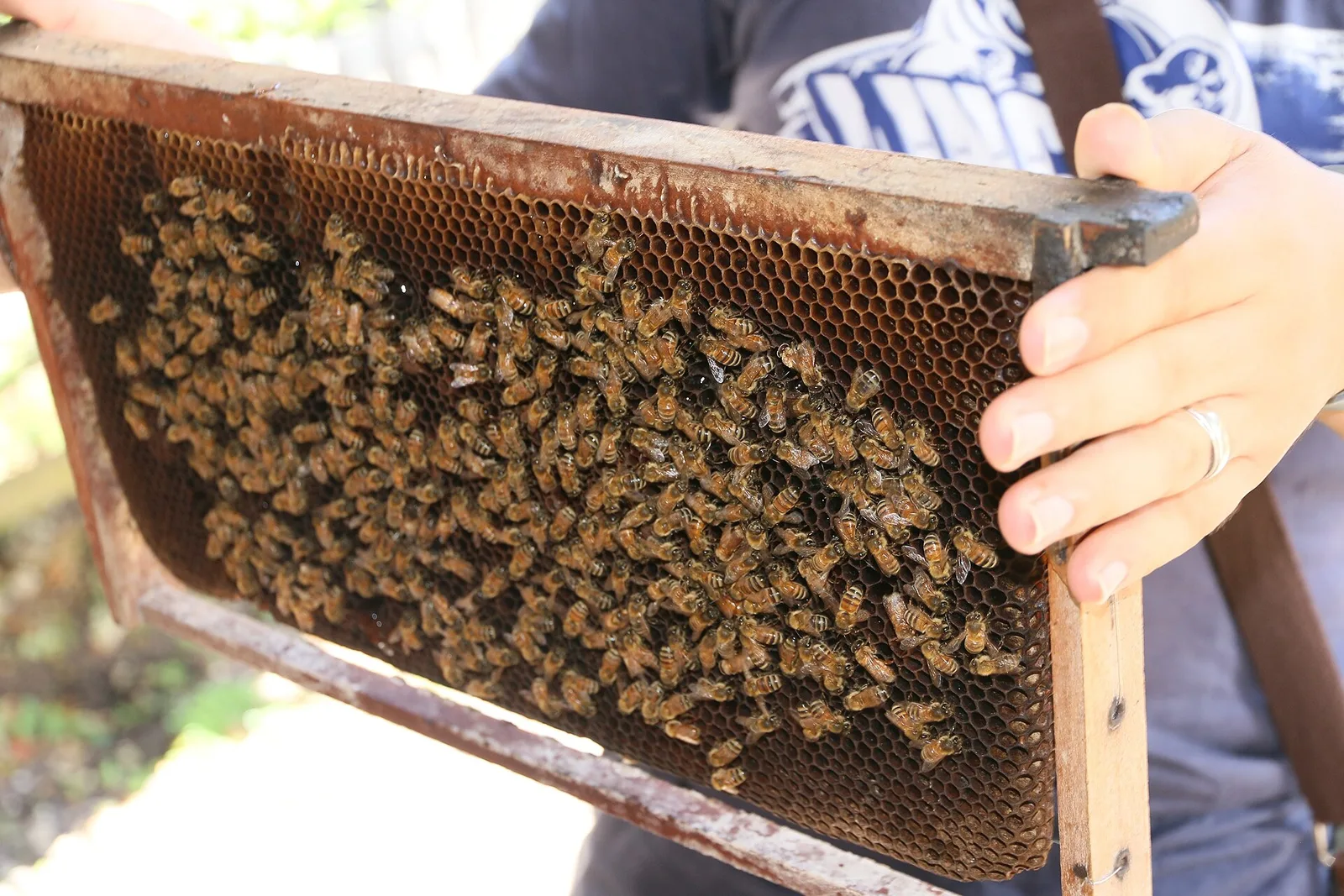
A foraging bee carries nectar in a honey crop that holds about 40 mg — roughly half her own unladen weight. Collecting that much can take visits to more than a thousand flowers.
A colony at full strength will have thousands of foragers doing this at once, through the hours the flowers are producing.
2 · Flowers
What is in bloom decides what ends up in the jar. Around Malili that means acacia through June, mixed farm and scrub flowering after the rains, and a heavy short-rains flush in November.
Over a hundred volatile organic compounds have been identified in honey, and they are what give each nectar source its own aroma and taste. It is why our acacia is nearly silent on the palate and our forest honey is not.
3 · Hive
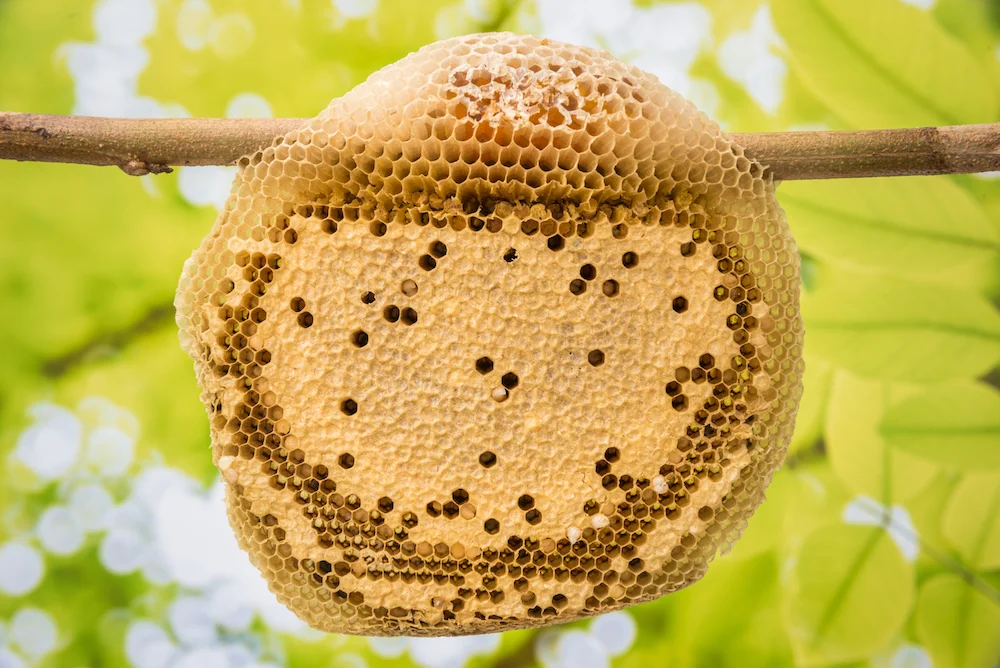
Inside the hive, nectar is passed mouth to mouth between bees. Enzymes begin splitting complex sugars such as sucrose into the simpler glucose and fructose that make up most of finished honey.
One of those enzymes, glucose oxidase, produces gluconic acid and hydrogen peroxide as by-products. They are part of why honey is acidic — the average pH is 3.9 — and part of why bacteria do not grow in it.
The bees then fan the cells until the water content drops to 15.5–18% and cap them with wax.
4 · Harvesting
We take only fully capped frames, and only surplus. A colony that has not stored enough for itself is left alone.
An average hive produces in the region of 29 kg of honey a year. With more than 200 hives, that sets a natural ceiling on how much we can sell — which is why some of our honeys run out.
5 · Filtering
Comb is uncapped and the honey drawn out, then passed once through fine cloth. That removes wax flakes and hive debris and leaves everything else, pollen included.
No heat is applied. No pressure filtration is used.
6 · Packaging
Jars are filled cold, sealed, and marked with the harvest lot. The lot number tells us which apiary block and which month a jar came from, so any question about a specific jar can be traced back.
7 · Your home
Kept sealed at room temperature and below 18% water, honey has an indefinite shelf life. What it will do is change texture — and that is covered in its own article.
Nothing in the chain speeds honey up. The bees set the pace, and the only decisions we make are when to take the frame and how gently to handle what is inside it.
Figures on this page are drawn from the Wikipedia article on Honey and standard apicultural references.
Taste the difference
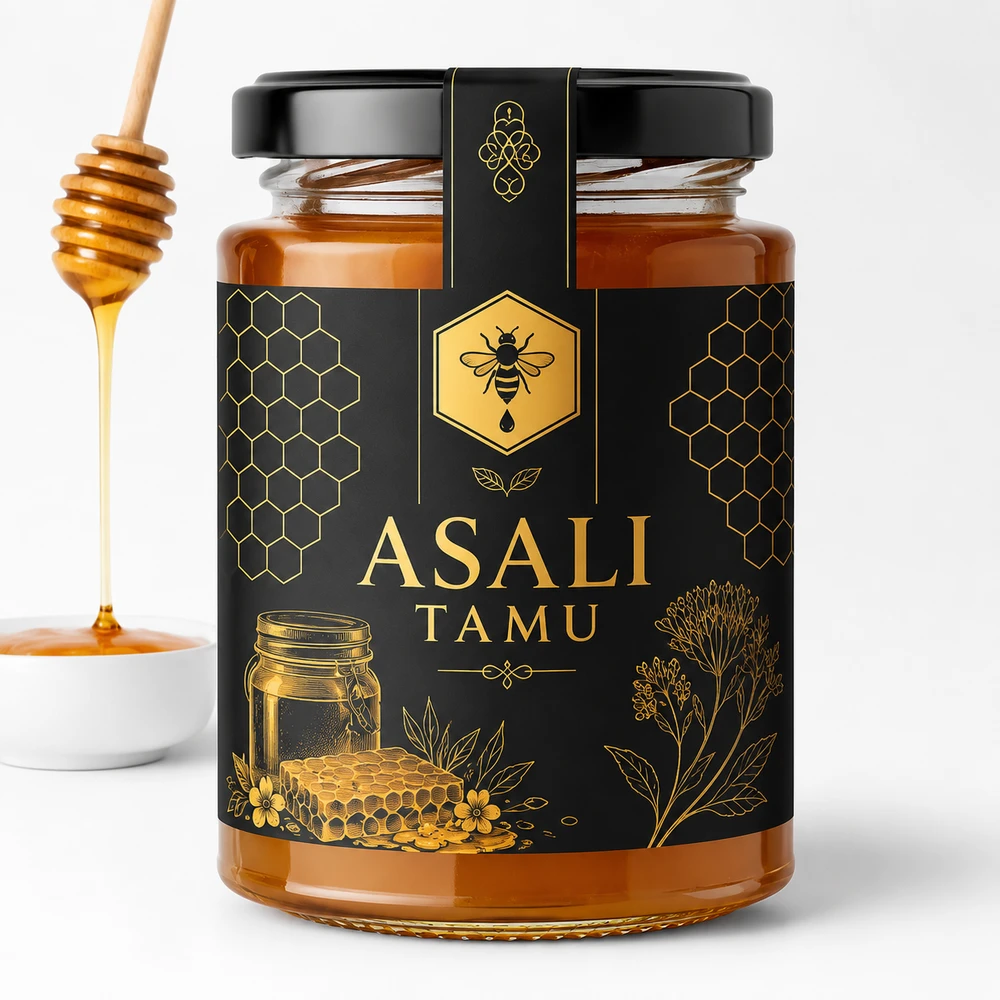
Pure Natural Honey — 250 g
Raw multiflora honey in a premium glass jar. 250 g net weight, KSh 2,200 per kg.
Pure Natural Honey — 1 kg
Raw multiflora honey in a premium glass jar. 1 kg net weight, KSh 1,750 per kg.
Pure Natural Honey — 2.5 kg
Raw multiflora honey in a premium large glass jar. 2.5 kg net weight, KSh 1,600 per kg.
Pure Natural Honey — 5 kg
Raw multiflora honey in a premium food-grade container. 5 kg net weight, KSh 1,440 per kg.