
How to Identify Quality Honey
What you can reasonably judge at home, what you cannot, and the folk tests that do not work.
6 minute read
What you can judge yourself
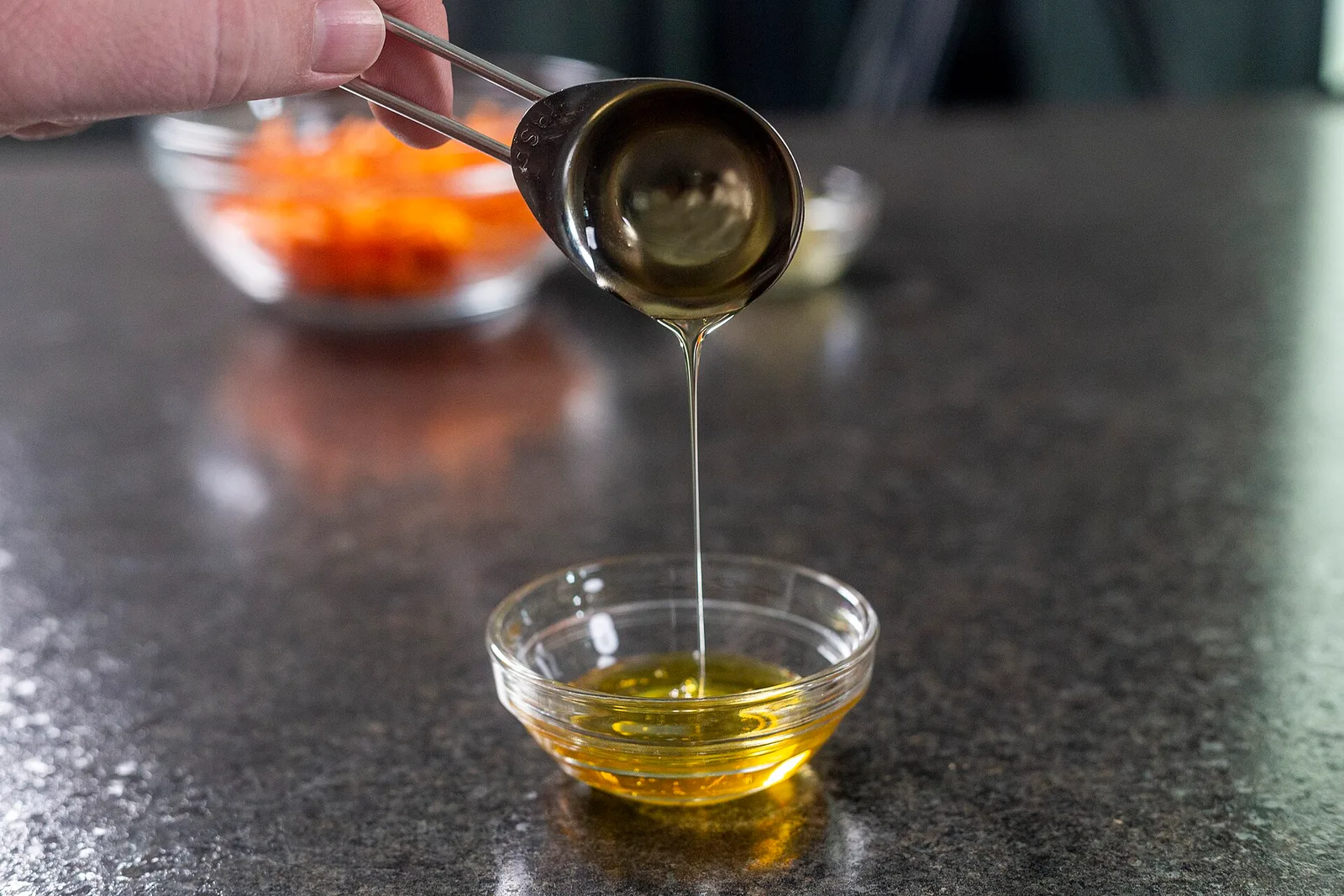
Viscosity is a fair indicator of water content. Good honey at 20 °C should flow from a knife in a straight stream without breaking into separate drops, and should form a bead where it lands.
Honey above 20% water is not suitable for long-term storage, and fermentation usually begins once water rises much above 25%. A honey that feels watery and runs freely off a spoon is worth questioning.
Signs worth trusting
Crystallisation is a good sign, not a bad one. Most unheated honey sets sooner or later. A jar that stays perfectly liquid for years has usually been heated, is very high in fructose like acacia, or is not entirely honey.
Variation between batches is also a good sign. Real single-origin honey shifts with the season.
- The seller can name the region and the harvest month.
- The label states whether the honey is raw, filtered or pasteurised.
- The honey sets or thickens over time.
- Colour and taste differ a little between purchases.
Tests that do not work
Several tests circulate widely and none of them are reliable. Dropping honey in water and seeing whether it sinks, burning a matchstick dipped in honey, checking whether it dissolves quickly, watching whether ants approach it — none distinguish pure honey from a well-made syrup blend.
Real detection is laboratory work. Isotope ratio mass spectrometry identifies added cane and corn sugars down to about seven per cent, and pollen analysis confirms botanical origin. Neither is possible on a kitchen counter.
Grading, for context
Formal grading exists. Under the USDA scale, Grade A honey has at least 81.4% soluble solids, good flavour and aroma, is practically free of defects and is clear. Grade C drops to 80.0% soluble solids and fairly good flavour.
Grading measures consistency and defect levels. It does not, on its own, tell you whether a honey was heated or where it came from.
No kitchen test proves purity. Buy from someone who will tell you the region, the harvest month and how the honey was handled — and be suspicious of a jar that never changes.
Figures on this page are drawn from the Wikipedia article on Honey and standard apicultural references.
Taste the difference
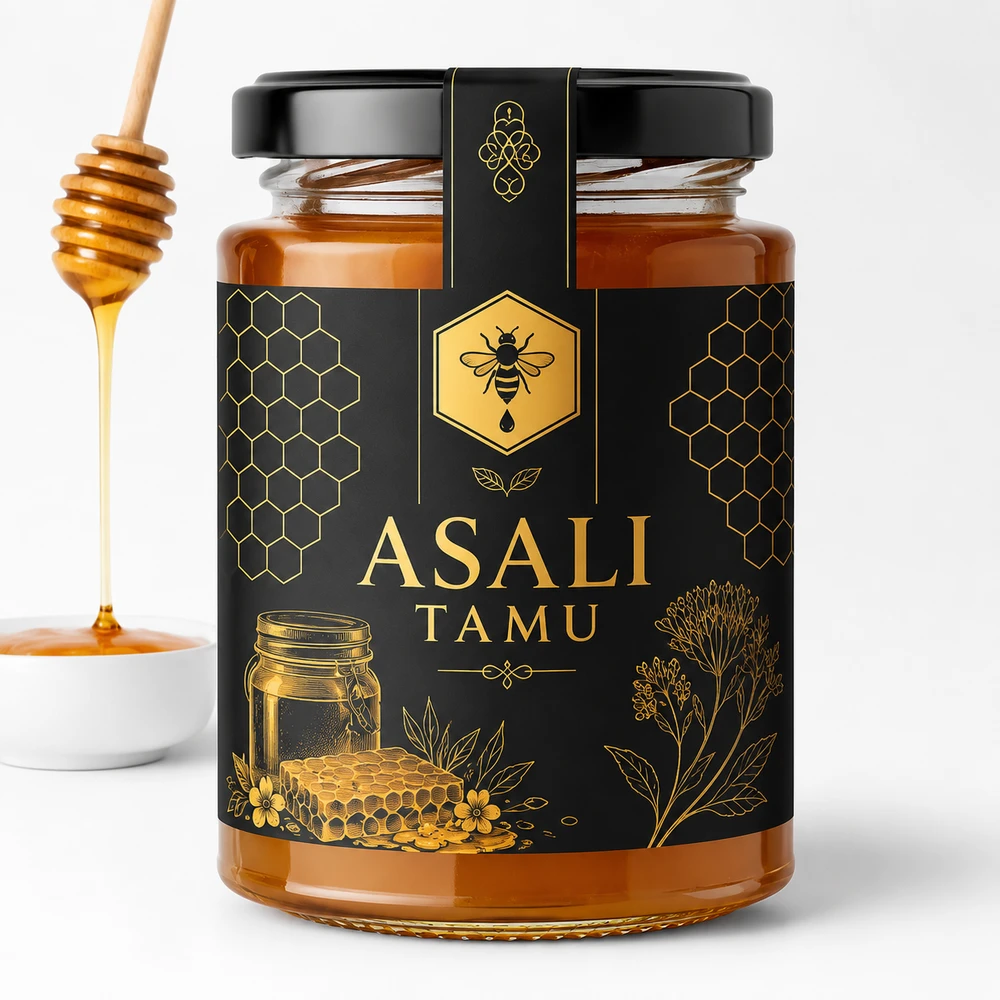
Pure Natural Honey — 250 g
Raw multiflora honey in a premium glass jar. 250 g net weight, KSh 2,200 per kg.
Pure Natural Honey — 1 kg
Raw multiflora honey in a premium glass jar. 1 kg net weight, KSh 1,750 per kg.
Pure Natural Honey — 2.5 kg
Raw multiflora honey in a premium large glass jar. 2.5 kg net weight, KSh 1,600 per kg.
Pure Natural Honey — 5 kg
Raw multiflora honey in a premium food-grade container. 5 kg net weight, KSh 1,440 per kg.